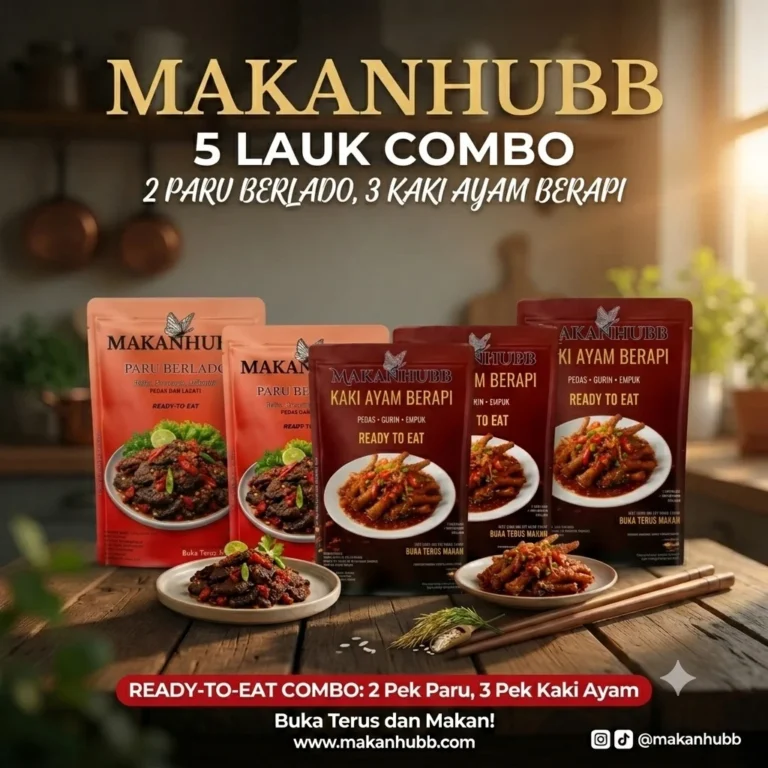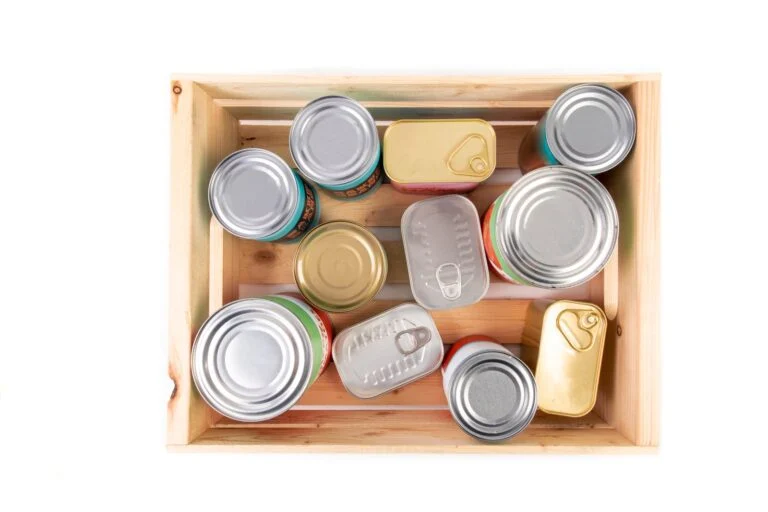
Quick answer: Long lasting food is food that can be kept for months or years without spoiling, for example retort food, canned food, rice, dried noodles, biscuits and freeze-dried food. The best choice depends on your purpose: home stock, travel supplies, hostel life or emergency reserves.
This guide lists the types of long lasting food, how long each type can be kept, which ones need cooking and which can be eaten straight away, and how to arrange your stock so nothing goes to waste.
Types of long lasting food and their shelf life
| Type | Estimated shelf life | Needs cooking? | Needs a fridge? |
|---|---|---|---|
| Retort food (pouch) | 1 to 2 years | No, already cooked | No |
| Canned food | 2 years or more | Mostly no | No |
| White rice | More than a year if sealed | Yes | No |
| Dried noodles and pasta | Around 1 to 2 years | Yes | No |
| Biscuits and crackers | A few months | No | No |
| Nuts, beans and cereals | A few months to a year | Depends | No |
| Powdered milk and UHT milk | A few months | No | Not before opening |
The real shelf life always follows the date on the packaging. The figures above are a general guide.
Long lasting food that needs no cooking
When the gas runs out, the power goes off or you are on the road, food you can eat straight away is the most useful:
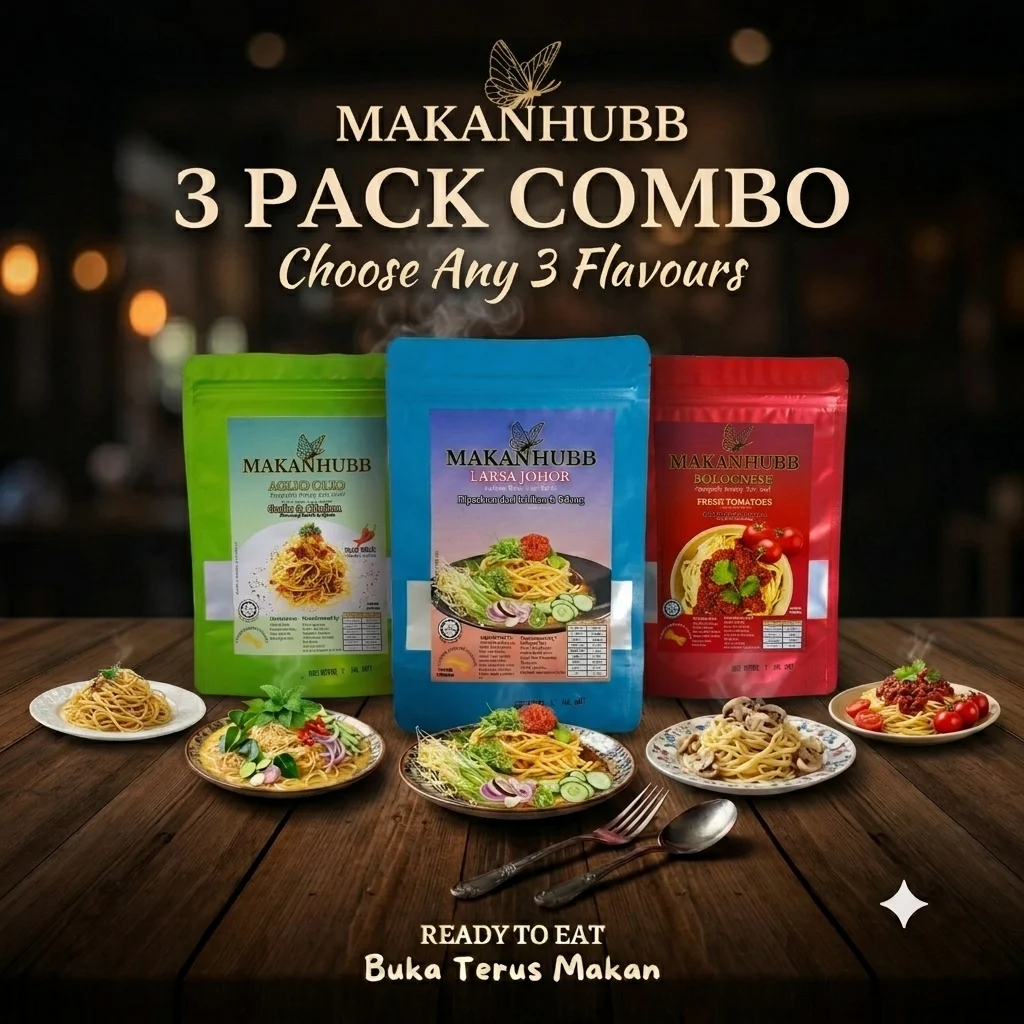
- Retort food. Fully cooked dishes, pasta and rice. Can be eaten straight from the pack.
- Canned food. Sardines, tuna and baked beans. Make sure you have a can opener if the can is not the ring-pull type.
- Biscuits, crackers and cereals. A quick source of energy.
- Nuts and dried fruit. Light and packed with energy.
Long lasting food for every situation
Home and office stock
Keep a few packs of retort dishes and pasta for busy days, sick days or when there is no time to cook. They are more practical than frozen food because they do not fill up the freezer.
Hostel and university students
Students usually have no kitchen or fridge. Retort food, instant noodles, cereals and biscuits are a common combination. Make sure the hostel rules allow heating appliances if you want to heat your food.
Travel, camping and hiking
Weight and space matter. Retort pouches are lighter than cans, and can be heated by soaking them in hot water on a portable gas stove. Bring all the empty packs back with you.
Hajj and umrah
Many pilgrims bring a little food from home for the first week. Check the latest guidelines from Tabung Haji or your travel agency, as well as the airline’s baggage rules.
Emergencies and floods
Keep supplies for at least 3 days. The full list is in our guide to the flood emergency kit.
How to heat food without a microwave
- Soak in hot water. Put the sealed pouch into a pot of hot water for 5 to 10 minutes.
- Water from a flask. Pour hot water into a container and soak the pouch. Handy at the office or while travelling.
- Pan or pot. Pour out the contents and heat for about 1 minute while stirring.
- Eat it as it is. Retort food is already cooked, so it is safe to eat without heating as long as the pack is not damaged.
How to store your long lasting food stock
- A dry, cool and shaded place. Moisture and heat shorten shelf life.
- Airtight containers for dry goods. Rice, flour and cereals need protection from insects and rats.
- Label the purchase date. Write it on the box or container.
- First in, first out. Use the old stock first and replace it with new stock.
- Check every 3 months. Throw away packs that are swollen, badly dented or expired.
Common mistakes when storing food stock
- Buying too much at once, then forgetting about it until it expires.
- Keeping stock in a hot place such as a storeroom with no ventilation.
- Only keeping food that needs cooking, with no ready to eat supplies for when there is no gas or electricity.
- Not keeping enough drinking water together with the food.
Want to know more about the shelf life of retort products? Read our guide to retort food shelf life and the basic guide to retort food.
FAQ about long lasting food
What is the most practical option without a fridge?
Retort food and canned food, because both are already cooked and sterilised. Retort pouches are lighter than cans.
How much stock should I keep for emergencies?
Preparedness guidelines usually suggest supplies for at least 3 days for each family member, including drinking water.
Is stock like this less nutritious?
Not necessarily. Some heat-sensitive vitamins drop during processing, the same as with normal cooking. Combine it with fresh fruit and vegetables when you can.
Can I bring it on a plane?
Solid food is usually allowed, but dishes with gravy may count as liquids for cabin baggage. Check the rules of the airline and the destination country.
Is it suitable for the elderly?
Yes, especially soft dishes that are easy to chew. Choose less spicy options and check the salt content on the label if there are dietary needs.
Still have questions?
WhatsApp the MakanHubb team at 012-540 0263. We reply during office hours, Monday to Friday.