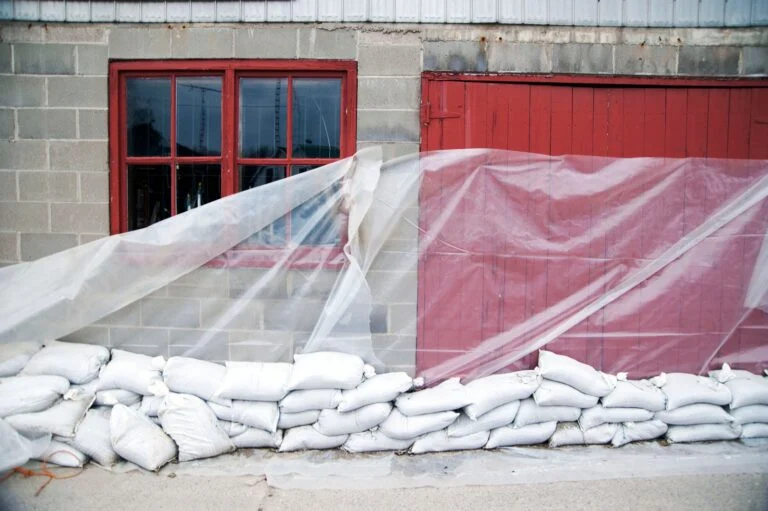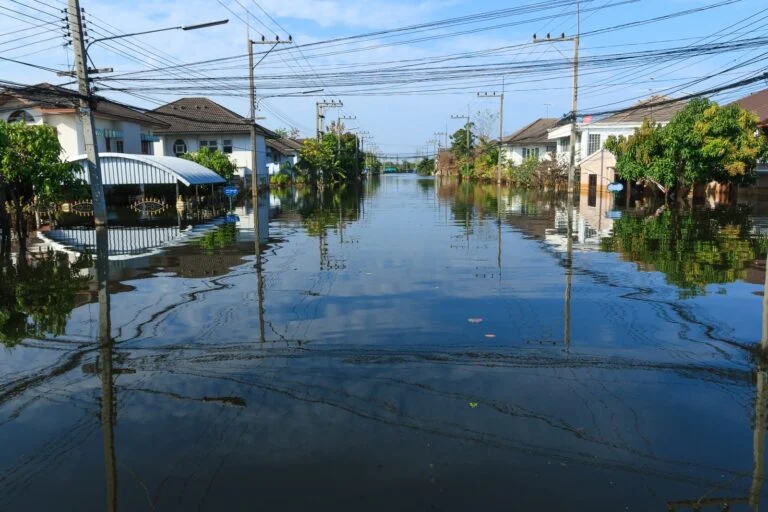
Quick answer: A flood emergency kit is a waterproof bag you pack in advance with what your family needs for at least 3 days: important documents, drinking water, ready-to-eat food, medicine, a torchlight, a power bank, clothes and toiletries. Keep it somewhere high and easy to reach so you can grab it and go as soon as an evacuation order is given.
The monsoon season in Malaysia usually runs from around November to March, and floods can happen fast. Many flood victims have only a few minutes to leave the house. This guide gives you a complete flood emergency kit checklist, the right kinds of food to pack, and how to prepare a bag for families with babies, elderly members or patients.
Why you should prepare a flood emergency kit early
- The time you get to evacuate is often short, especially when the water rises at night.
- Nearby shops and petrol stations may be closed, or the roads to them may be cut off.
- Electricity and piped water may be disrupted for several days.
- Help at the temporary relief centre (PPS) may take time to arrive.
Follow flood warnings and river water levels on the Public Infobanjir (JPS) portal, and rain forecasts on the MetMalaysia website. Follow the instructions of your local authorities when you are told to evacuate.
Flood emergency kit checklist
Go through the list below one section at a time and tick off each item as it goes into the bag.
Documents and money
- Copies of your MyKad, birth certificates, passports and vehicle grants in a zip-lock bag
- Copies of insurance policies and land or house documents
- Cash in small notes
- A list of important phone numbers written on paper
Water and food
- Drinking water, roughly 3 litres per person per day for 3 days
- Ready-to-eat food that does not need cooking, for example retort food and canned food
- Biscuits, dry bread, nuts and dates
- A can opener, spoons and disposable cups
- Formula milk, bottles and water for babies if needed
Health and hygiene
- Daily medication for at least one week, with a copy of the prescription
- A first aid kit: plasters, gauze, antiseptic, fever medicine
- Face masks, wet wipes, hand sanitiser and soap
- Sanitary pads and diapers
- Mosquito repellent
Equipment
- A torchlight and spare batteries
- A fully charged power bank and cables
- A whistle for signalling
- A small battery-powered radio
- A folding knife or multi-tool
- Rubbish bags and zip-lock bags
Clothing
- Clothes for 2 to 3 days in a waterproof bag
- A raincoat and slippers or waterproof shoes
- A thin blanket or a kain pelikat
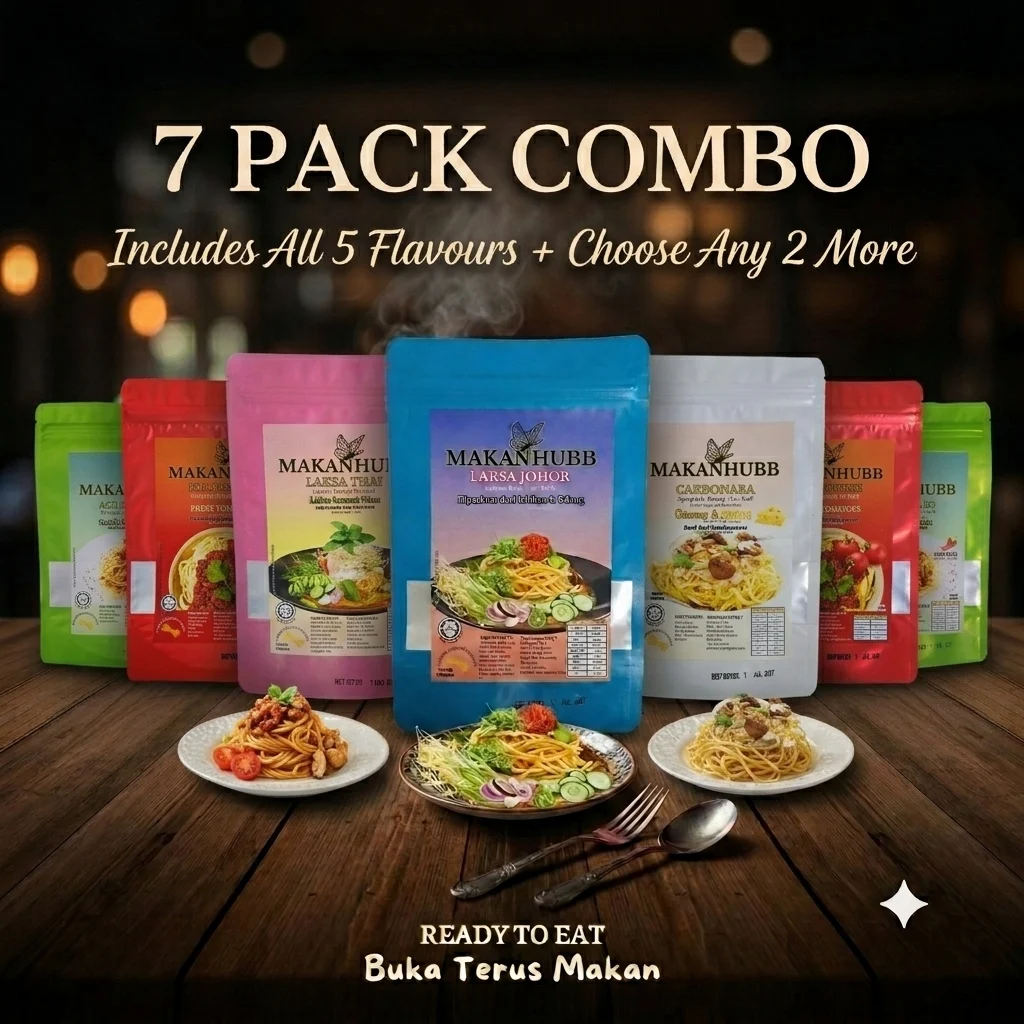
Best food for a flood emergency kit
During a flood, you may have no kitchen, no gas and no electricity. Choose food that meets these conditions:
- No cooking needed. Retort food and canned food are already cooked.
- No fridge needed. It keeps at room temperature for months.
- Light and compact. Pouches are lighter than cans and jars.
- Water-resistant packaging. A sealed pouch is not damaged if it gets wet, but wipe and wash the outside before opening it.
- Suitable for the whole family. Have non-spicy options for children and the elderly.
For a comparison of the different types of food you can store for a long time, read our guide on long lasting food.
Flood emergency kit for special needs
Families with babies
Add diapers, wet wipes, formula milk, bottles, boiled water in a thermos and extra baby clothes. Babies get cold more quickly, so bring an extra blanket.
Elderly family members and patients
Bring medication and a copy of the prescription, aids such as a walking stick or spare glasses, and soft food that is easy to chew. If someone in the family depends on a machine, plan an alternative place with electricity well in advance.
Pets
Pack pet food, water, and a leash or carrier. Ask the PPS staff whether pets are allowed.
Where to keep your flood emergency kit
- Somewhere high, away from the floor, for example on top of a cupboard or on the upper floor
- Close to the main exit
- Somewhere every family member knows about
- If possible, prepare one light bag for each adult
Check and update your flood emergency kit every year
Before the monsoon season, open the bag and check the expiry dates of the food, water and medicine. Replace the batteries, charge the power bank and update the documents. Retort food that is close to its expiry date can be eaten as usual and replaced with new stock.
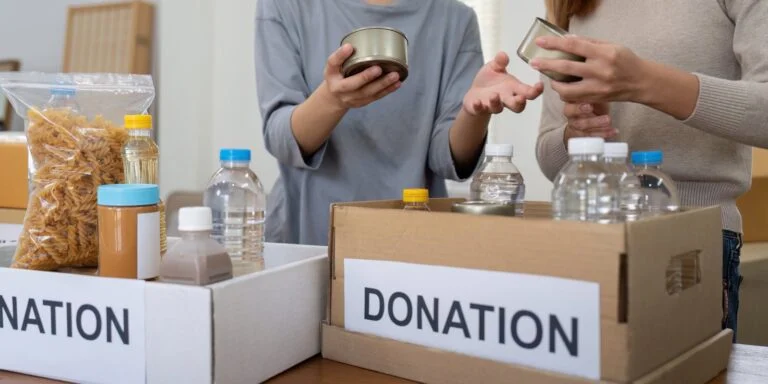
Food donations for flood victims
Companies, mosques, surau and NGOs often distribute food to flood victims. Long-lasting ready-to-eat food is more practical than freshly cooked food because it can be handed out over several days without the risk of it going bad. For bulk orders for a donation programme, WhatsApp us at 012-540 0263. Coordinate the distribution with the local disaster control centre so that help reaches the areas that need it most.
FAQ about the flood emergency kit
How much water should I keep in a flood emergency kit?
The usual estimate is around 3 litres per person per day for drinking and basic use, for at least 3 days.
What food is most suitable for a flood emergency kit?
Ready-to-eat food that does not need cooking or a fridge, such as retort food, canned food, biscuits and nuts.
What kind of bag should I use?
A waterproof backpack or a dry bag. Put your items in zip-lock bags as an extra layer.
When should I prepare a flood emergency kit?
Before the monsoon season starts, usually around October or November, especially if you live in an area that has flooded before.
Is food in a pouch safe if it touches flood water?
A sealed, undamaged pouch protects the food, but flood water is dirty. Wash and wipe the outside of the pack with clean water before opening it. Throw away any pack that is torn or swollen.
Should I bring original documents?
Keep copies in the bag, and keep the originals in a waterproof bag you can take with you if you need to evacuate. Also keep digital copies on your phone or in cloud storage.
Still have questions?
WhatsApp the MakanHubb team at 012-540 0263. We reply during office hours, Monday to Friday.