Quick answer: In the frozen vs retort food comparison, frozen food stays safe as long as you keep it at -18 degrees Celsius or colder, but it depends on a freezer and steady power. Retort food, on the other hand, is sterilised in a sealed pouch, so you can store it at room temperature. Choose frozen for daily cooking ingredients and retort for stock that must last without a fridge.
Most Malaysian freezers are full of chicken, fish, nuggets and frozen vegetables. They make cooking easier; however, space is limited and everything depends on electricity. This guide looks at frozen vs retort food fairly, including safety, space and storage.
You can also read our guides on retort food shelf life and long lasting food for the full picture.
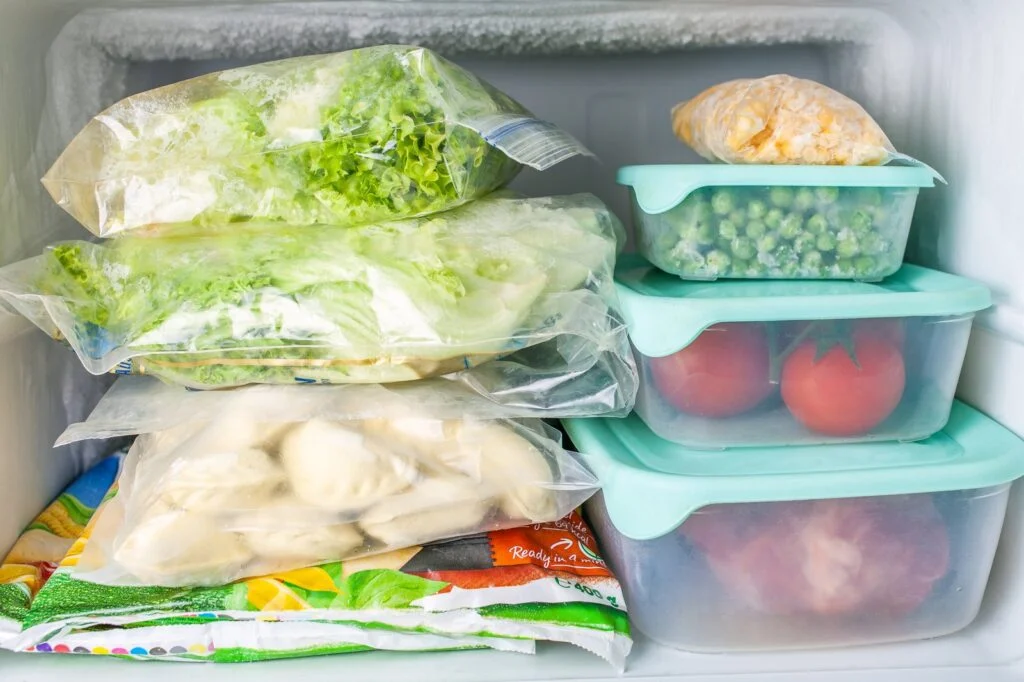
Common frozen stock at home
Most freezer contents in Malaysia fall into three groups.
- Raw ingredients. Chicken, beef, fish, prawns and squid bought in bulk from the market or supermarket.
- Processed products. Nuggets, sausages, curry puffs, roti canai and spring rolls that you only need to fry or bake.
- Home cooking. Dishes you cook in a big batch at the weekend, then split into small containers.
Each group needs a different cooking time. Raw ingredients must thaw and then cook through. By contrast, processed products and home cooked dishes are quicker, although you still need to heat them until hot in the middle.
How frozen food stays safe
According to the USDA FSIS, food that you keep constantly at 0 degrees Fahrenheit (-18 degrees Celsius) will always be safe. This temperature does not kill germs; instead, it stops them from growing.
However, quality drops if you store food for too long. Texture and flavour can change. Also, FSIS explains that freezer burn, the dry grey patches on the surface, affects quality but is not a safety issue.
When the power goes out
FoodSafety.gov says a full freezer holds a safe temperature for about 48 hours, and about 24 hours if it is half full, as long as the door stays closed. By comparison, a normal fridge keeps food safe for only up to 4 hours.
In areas with frequent floods or power cuts, this is the main weakness of a freezer. If you are unsure whether food is still safe, throw it out. Also, never taste food to test its safety. Our flood emergency kit guide covers other stock to prepare before the monsoon season.
How retort food stays safe
Makers cook retort food, seal it in a pouch and heat it to a high temperature in a retort machine. USDA FSIS notes that retort packaging is shelf stable at room temperature. As a result, it needs no freezer or fridge before opening.
Once you open the pouch, treat it like any cooked food. Eat it soon or keep leftovers in the fridge. Our retort food guide explains the process in more detail.
Frozen vs retort food side by side
| Point | Frozen | Retort |
|---|---|---|
| Storage temperature | -18 degrees Celsius or colder | Room temperature before opening |
| Electricity | Needed all the time | Not needed |
| Form | Many raw ingredients, some ready meals | Fully cooked dishes |
| Preparation | Thaw, then cook or reheat | Eat as is or soak in hot water |
| Space | Limited by freezer size | Any cupboard or shelf |
| Cooking flexibility | High, cook to any recipe | Low, flavour is already set |
In short, frozen vs retort food is not a contest with one winner. In fact, many families use both at the same time.
How to thaw frozen food safely
USDA FSIS lists three safe ways to thaw food:
- In the fridge. This is the safest way, but large cuts need a day of planning.
- In cold water. Use a leak proof bag and change the water every 30 minutes, then cook right away.
- In the microwave. Cook the food straight after thawing.
Do not thaw food on the kitchen counter at room temperature. This matters because hot Malaysian weather speeds up bacterial growth on the outer layer of food.
Frozen vs retort food: when frozen makes sense
- You cook almost every day and want chicken, fish and vegetables on hand.
- Your area has a steady power supply.
- There is enough freezer space at home.
- Your family likes recipes adjusted to its own taste.
Frozen vs retort food: when retort makes sense
- You need emergency stock that does not depend on electricity.
- Your freezer is full, or you rent a room without a fridge.
- It suits travel, camping, hostels and the office.
- On days when you are too tired to cook, it helps you avoid relying on convenience food.
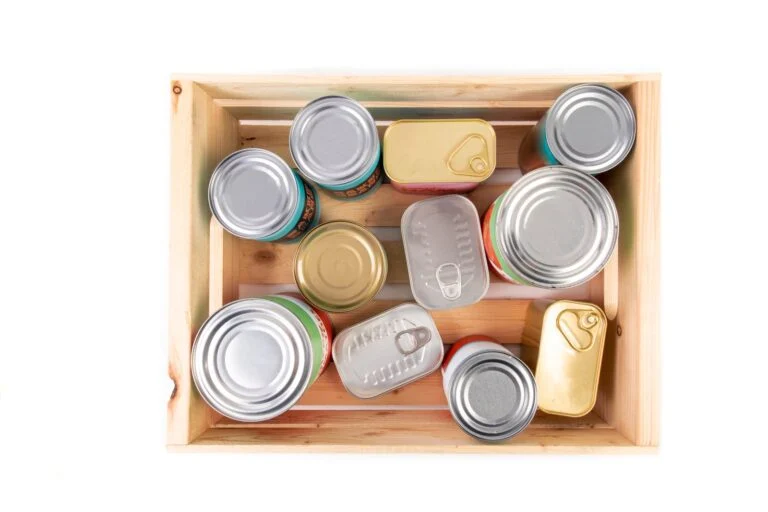
Want to compare with cans as well? See our canned food guide.
Tips for the frozen vs retort food pantry
- Keep the freezer at -18 degrees Celsius or colder, and use a freezer thermometer if you have one.
- Wrap food tightly to reduce freezer burn.
- Label each pack with its name and date.
- Use older stock first.
- Avoid opening the freezer door often, especially during a power cut.
- Meanwhile, store retort pouches somewhere cool and dry, away from the stove and sunlight.
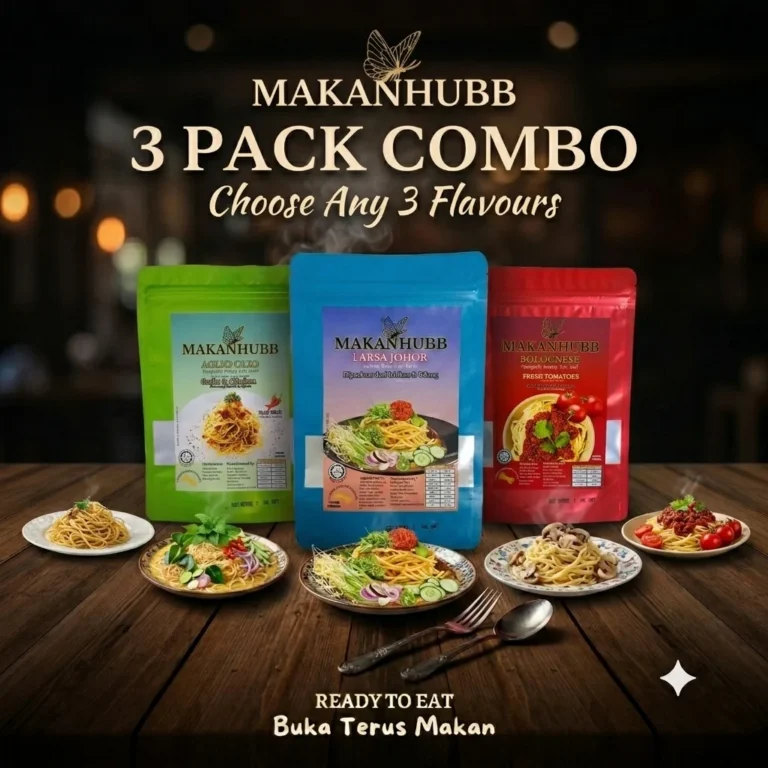
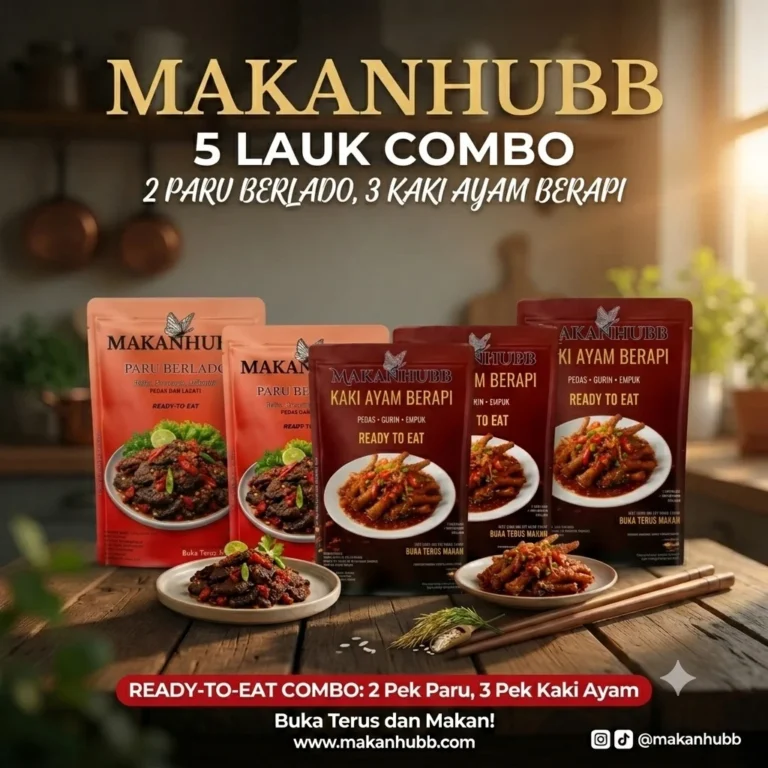
MakanHubb retort dishes as stock without a freezer
MakanHubb dishes, pasta and white rice keep at room temperature for about 1 to 2 years before opening. So they do not compete for your freezer space. Eat straight from the pack, or soak the pouch in hot water for a few minutes.
Many customers keep a few packs as backup for power cuts or for days when the frozen chicken is still solid. Prices start from RM12.90 a pack.
FAQ on frozen vs retort food
How long can I keep frozen food?
According to USDA FSIS, food at -18 degrees Celsius stays safe, but its quality drops over time. So follow the date on the pack for the best taste.
Can I refreeze food after thawing?
FSIS says food thawed in the fridge can go back into the freezer, although quality may suffer. However, you should cook food thawed in cold water or a microwave before freezing it again.
What happens to my freezer in a power cut?
A full freezer stays safe for about 48 hours and a half full one for about 24 hours if the door stays shut, according to FoodSafety.gov.
Do retort pouches need a freezer?
No. You store retort pouches at room temperature before opening. After opening, keep leftovers in the fridge.
Which is healthier, frozen or retort food?
It depends on the product and recipe. We do not claim that either one is healthier, so check the label of each product.
Still have questions?
WhatsApp the MakanHubb team at 012-540 0263. We reply during office hours, Monday to Friday.