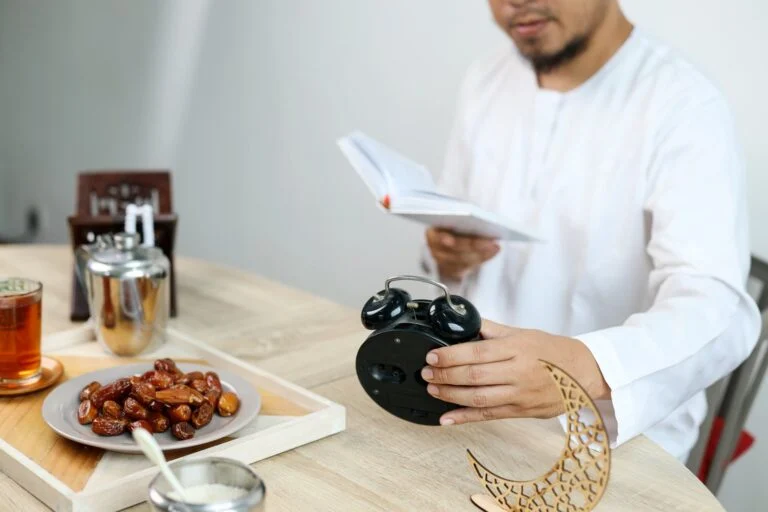
Quick answer: Good suhoor ideas combine fibre-rich carbs (rice, oats or wholemeal bread), a protein (eggs, fish, chicken or beans), some vegetables or fruit, and enough water. Go easy on salty and fried food. When time is short, a ready-cooked retort pouch can be warmed in hot water for a few minutes and eaten with rice.
Waking up for suhoor while half asleep is hard. Many people end up eating whatever is in the kitchen, or just drink water and go back to bed. The problem shows up by noon, when you feel tired and your stomach starts to growl.
This guide collects suhoor ideas that are easy to make at home, whether you are eating alone or with the family. You will also find a sample weekly menu, how to store food safely, and what to eat when there is no time to cook at all.
Our suhoor series has three other guides: quick suhoor meals for 10-minute dishes, a suhoor meal plan for the whole month, and healthy suhoor choices for a more balanced plate.
What good suhoor ideas have in common
No single menu suits everyone. Even so, nutrition experts give fairly similar advice. The British Nutrition Foundation suggests high-fibre starchy foods such as oats for energy, protein such as eggs or beans, and plenty of fluids. It also advises avoiding salty foods at suhoor because they can leave you thirsty during the fast.
In Malaysia, the Ministry of Health promotes the suku-suku separuh healthy plate. Half the plate is vegetables and fruit, a quarter is rice or grains, and the last quarter is protein. The idea works well for suhoor too.
- Carbs: rice, brown rice, oats, wholemeal bread, sweet potato or noodles.
- Protein: eggs, fish, chicken, beef, tofu, tempeh or beans.
- Vegetables and fruit: stir-fried greens, ulam, cucumber, banana, watermelon or dates.
- Drinks: plain water, milk, or drinks without too much sugar.
Rice-based suhoor ideas
Many Malaysians do not feel they have eaten until they have had rice. So start with the dishes most homes already make.
Rice, omelette and greens
Eggs cook fast and keep you full. Fry an omelette in a little oil, stir-fry some sawi or cabbage, and serve with hot rice. It takes about 15 minutes.
Rice with leftover iftar dishes
Extra dishes from iftar can become your suhoor. The key is to put them in the fridge right after iftar, then reheat until piping hot before eating.
Fish or chicken porridge
Porridge is gentle on the stomach and suits people with little appetite in the early morning. Cook it at night, then reheat at suhoor with a splash of water.

Suhoor ideas without rice
Some days your stomach just does not want rice. These options are lighter but still filling.
Oats with milk and fruit
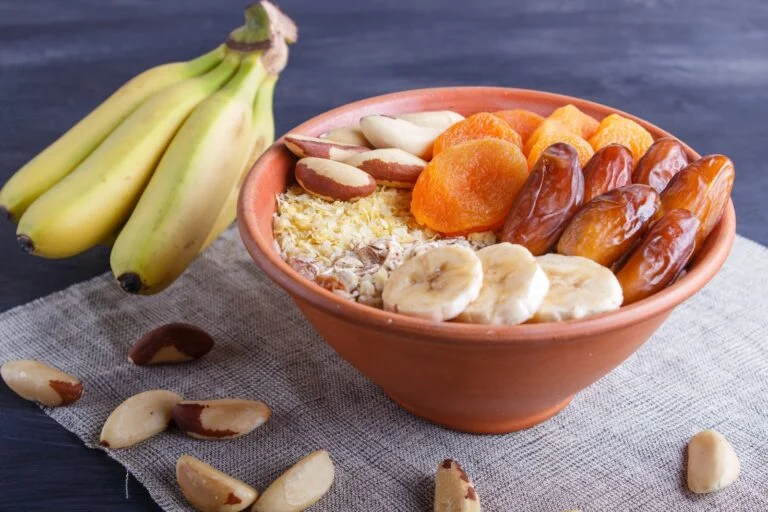
Oats cook in a few minutes. Add milk, sliced banana and a handful of nuts. For an even faster start, soak oats in milk in the fridge overnight (overnight oats).
Wholemeal bread with eggs or sardines
Toast with boiled eggs, or sardines with onion and chilli, is a classic suhoor. Add cucumber slices so there is a vegetable on the plate.
Noodle or bihun soup
A hot soup works if you want something with broth. Add vegetables and egg or shredded chicken. Use less instant seasoning, as it is usually high in salt.
Suhoor ideas for children learning to fast
Young children often find it hard to wake up and have little appetite early in the morning. So pick dishes they already like, in small portions. Soft rice with chicken soup, bread with egg, or cereal with milk usually goes down well.
Avoid very spicy dishes for children. Also encourage them to sip water bit by bit from iftar onwards. If your child refuses to eat at all, at least offer milk and fruit.
Elderly family members
Older family members may prefer porridge, soup or soft steamed fish. If they take regular medication, ask their doctor how to adjust the timing during Ramadan.
What to drink at suhoor
Plain water is still the best choice. Try to drink a little at a time from iftar to suhoor, rather than a whole jug just before imsak. Milk and fruit juice without added sugar are fine too. If you love coffee or tea, some people find caffeine sends them to the toilet more often, so watch how it affects you.
A sample week of suhoor ideas
This table is only an example. Swap dishes to suit your family and what is in your kitchen.
| Day | Main | Add-on |
|---|---|---|
| Monday | Rice, omelette, stir-fried sawi | Banana |
| Tuesday | Oats with milk and dates | Nuts |
| Wednesday | Rice with leftover iftar dishes | Cucumber |
| Thursday | Chicken porridge | Watermelon |
| Friday | Wholemeal bread, boiled eggs | Milk |
| Saturday | Vegetable bihun soup | Dates |
| Sunday | Rice with a ready-cooked pouch dish | Ulam |
For a full month, see our sample suhoor meal plan.
Storing suhoor food safely
Malaysia’s Ministry of Health has issued food safety advice for Ramadan. It includes:
- Put leftovers or food bought for suhoor in the fridge straight away.
- Reheat stored food thoroughly before eating.
- Finish food kept in the fridge within 3 days.
Dishes from a Ramadan bazaar left on the table overnight are not suitable for suhoor. If your fridge is full, buy only enough for iftar.
Suhoor ideas when you have no time to cook
Some nights you sleep late after terawih, or you work shifts. On days like these, a stock of long lasting food helps a lot.
MakanHubb retort dishes are cooked and sealed in a pouch, so they need no fridge before opening. Shelf life is 1 to 2 years. Soak the pouch in hot water for a few minutes, then eat straight from the pack or pour it onto a plate with rice.
Prices start from RM17.90 a pack. For a month’s stock, a combo saves you repeat trips to the shop. You may also like our guides on long lasting food and retort food shelf life.
Unopened pouches can sit in a kitchen cabinet. Once opened, finish the pouch in one meal, just like freshly cooked food. Empty pouches can be folded and thrown out with dry waste.
Tips to make suhoor easier
- Prep at night: cut vegetables, soak oats, or cook porridge.
- Set two alarms, one to wake up and one as a reminder to stop eating.
- Keep the kettle, plates and pouch stock in one corner of the kitchen so you are not searching in the dark.
- Eat slowly and do not overeat, because a very full stomach usually makes you sleepy.
- If you have diabetes, high blood pressure or take medication, talk to your doctor before fasting.
Want suhoor ready in a few minutes? See our quick suhoor meals guide, or go straight to the MakanHubb shop.
FAQ about suhoor ideas
What is the most filling suhoor?
A mix of fibre-rich carbs and protein, for example rice with eggs and vegetables, or oats with milk and nuts. Add enough water.
Is water and dates enough for suhoor?
It is possible, but you may get hungry and tired sooner. Add some bread, oats or an egg if you can.
Which foods should I avoid at suhoor?
Very salty food such as salted fish, pickles and instant seasoning, because it can make you thirsty. Very oily food can also leave you uncomfortable.
Do retort dishes need heating for suhoor?
No. Retort dishes can be eaten straight from the pack, but most people prefer to warm the pouch in hot water for a few minutes.
Where can I find the niat and doa for suhoor?
This guide covers food only. For niat, doa and rulings on fasting, refer to JAKIM or your state religious office.
Still have questions?
WhatsApp the MakanHubb team at 012-540 0263. We reply during office hours, Monday to Friday.