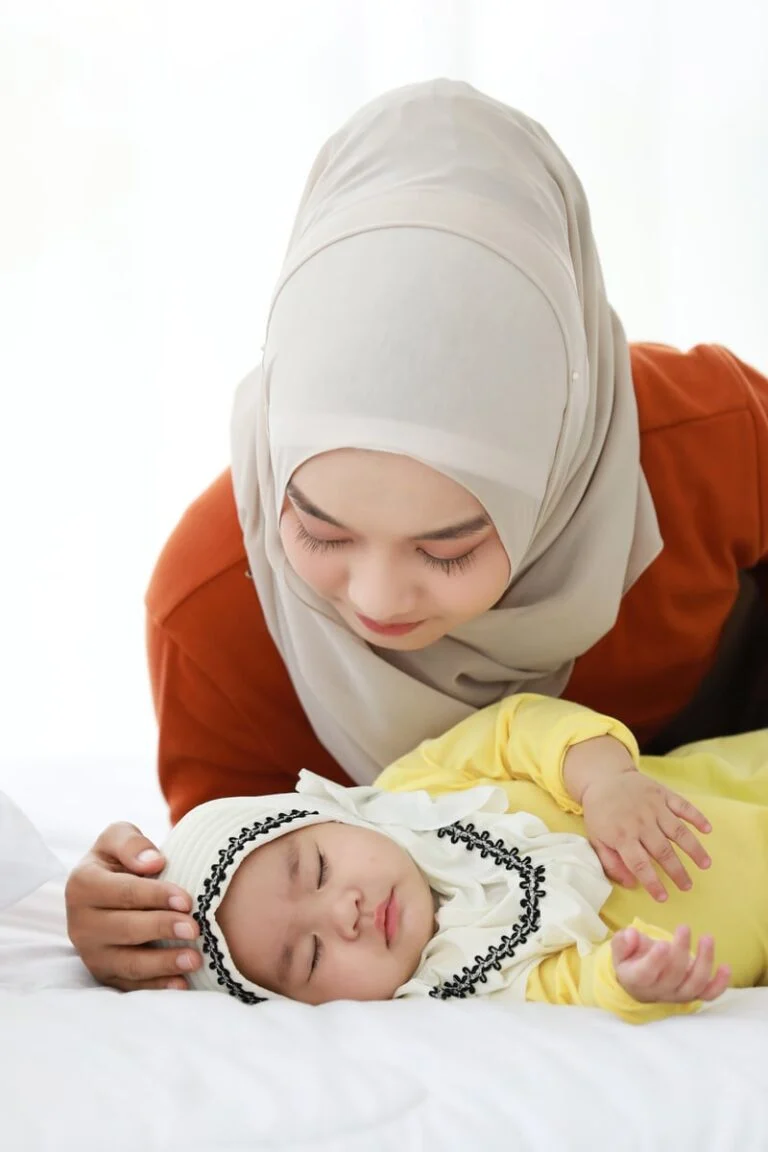
Quick answer: Good food after c-section recovery is a balanced, easy to digest meal: rice or grains, protein such as fish, chicken and eggs, vegetables, fruit and enough water. Fibre and fluids help prevent constipation, which is common after surgery. Follow your doctor’s or nurse’s advice, especially if you have diabetes, high blood pressure, anaemia or any problem with the wound.
A caesarean birth, which many Malaysians call “czer”, is major abdominal surgery. Besides caring for the baby, the mother has to recover from the surgical wound. Common questions: what is the right food after c-section, and is the confinement diet stricter than after a normal birth? This guide brings together advice from medical sources, explains the traditional practices many Malaysian families follow, and gives ideas to make meals easier at home. It does not replace advice from a doctor who knows your condition.
What is different after a c-section
After a caesarean, the abdominal wound takes time to heal. A patient leaflet from West Hertfordshire Hospitals NHS says the scar can take six weeks or more to heal fully, and advises mothers not to lift anything heavier than their baby for the first six to eight weeks. This means a mother recovering from a c-section usually moves less, needs plenty of rest, and needs help with housework, including cooking.
In hospital, the NHS says mothers can usually eat and drink as soon as they feel hungry or thirsty. Instructions can differ between hospitals depending on the type of anaesthesia and the mother’s condition, so follow your medical team.
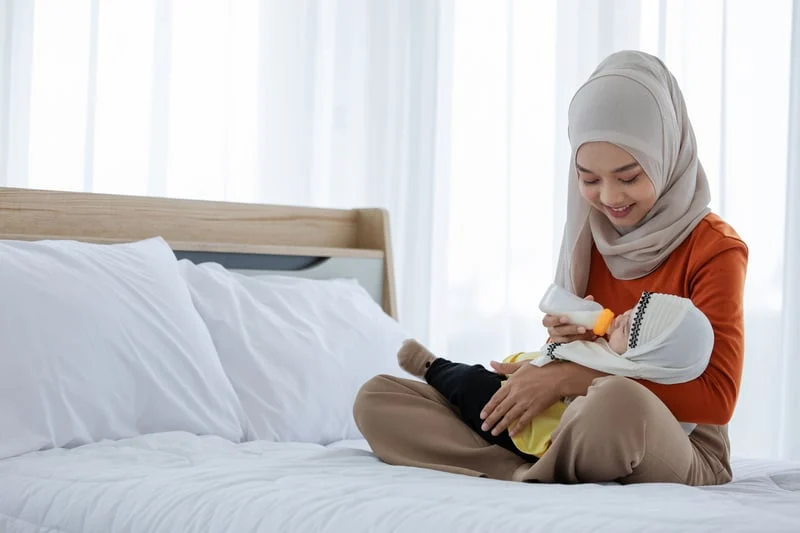
Recommended food after c-section
Medically, there is no single compulsory menu after a caesarean. Medical sources recommend balanced eating. For a mother recovering from a c-section, a few things deserve attention.
Protein for recovery
Fish, chicken, eggs, tofu, tempeh and beans are sources of the protein the body needs to rebuild tissue. In Malay families, fish such as haruan (snakehead), red snapper or kembung is often cooked as soup or steamed during confinement. Choose light cooking methods such as soup, steaming or stir-frying with a little oil.
Fibre and fluids to prevent constipation
Constipation is common after surgery, and straining can feel uncomfortable on the wound. The West Hertfordshire Hospitals leaflet suggests about two litres of fluid a day and a high fibre diet from fruit, vegetables, beans, wholemeal bread and rice. If you are breastfeeding, keep a bottle of water nearby and drink when thirsty.
Easy to digest food after c-section
In the first days, many mothers feel more comfortable with soft food such as rice porridge, soup and steamed dishes. This is a choice for comfort, not a medical rule. Start with small portions and add more as your appetite returns.
Iron and green vegetables
Mothers lose blood during birth. Meat, chicken, fish, eggs and green vegetables contain iron. If your doctor confirms anaemia, follow the treatment given and do not take supplements without advice from your doctor or pharmacist.
Traditional pantang rules and what doctors say
In Malay confinement (pantang) practice, mothers are often asked to avoid foods considered “cold” or “windy”, such as some vegetables, fruits, certain seafood and cold drinks. Some families limit the mother to rice, fish and ginger only. These are traditions and beliefs passed down through generations and respected by many, not medical facts.
A review in the IIUM Medical Journal Malaysia found that mothers in confinement in Malaysia often take in less energy, vitamins and minerals than they need, and that food restrictions can make it harder to meet nutritional needs while breastfeeding. If family rules are so strict that your food after c-section lacks vegetables, fruit or protein, talk to your doctor or a dietitian.
When to see a doctor
According to the NHS, contact your doctor or nurse straight away if you have:
- severe pain
- a wound that becomes more red, painful or swollen
- pus or foul smelling discharge from the wound
- heavy vaginal bleeding
- pain when peeing or leaking urine
- a cough or shortness of breath
- swelling or pain in your lower leg
Mothers who had gestational diabetes, high blood pressure or anaemia should ask their doctor or a dietitian about a suitable menu, including limits on sugar and salt. The same applies if you have concerns about breastfeeding.
Making food after c-section easier at home
A mother recovering from a c-section should not stand in the kitchen for long. Cooking usually falls to the husband, mother or mother-in-law. A few ways to lighten the load:
- Keep the mother’s dishes simple: steamed fish, chicken soup and stir-fried vegetables.
- Put a flask of water and healthy snacks such as fruit and biscuits near where she rests.
- Order a confinement set so the family does not have to plan a menu every day.
- Make sure the rest of the family has food without needing to cook.
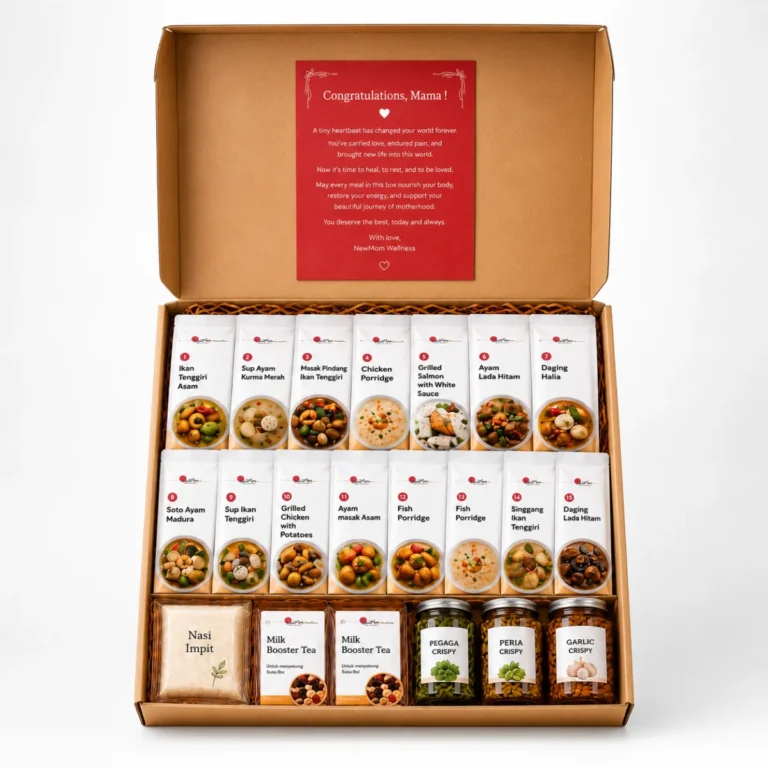
MakanHubb and NewMom offer the 7-Day Confinement Set (7-Day Confinement Set). WhatsApp us to ask about the set, menu and delivery. If your doctor has advised you to avoid certain foods, let us know and check the menu with your doctor.
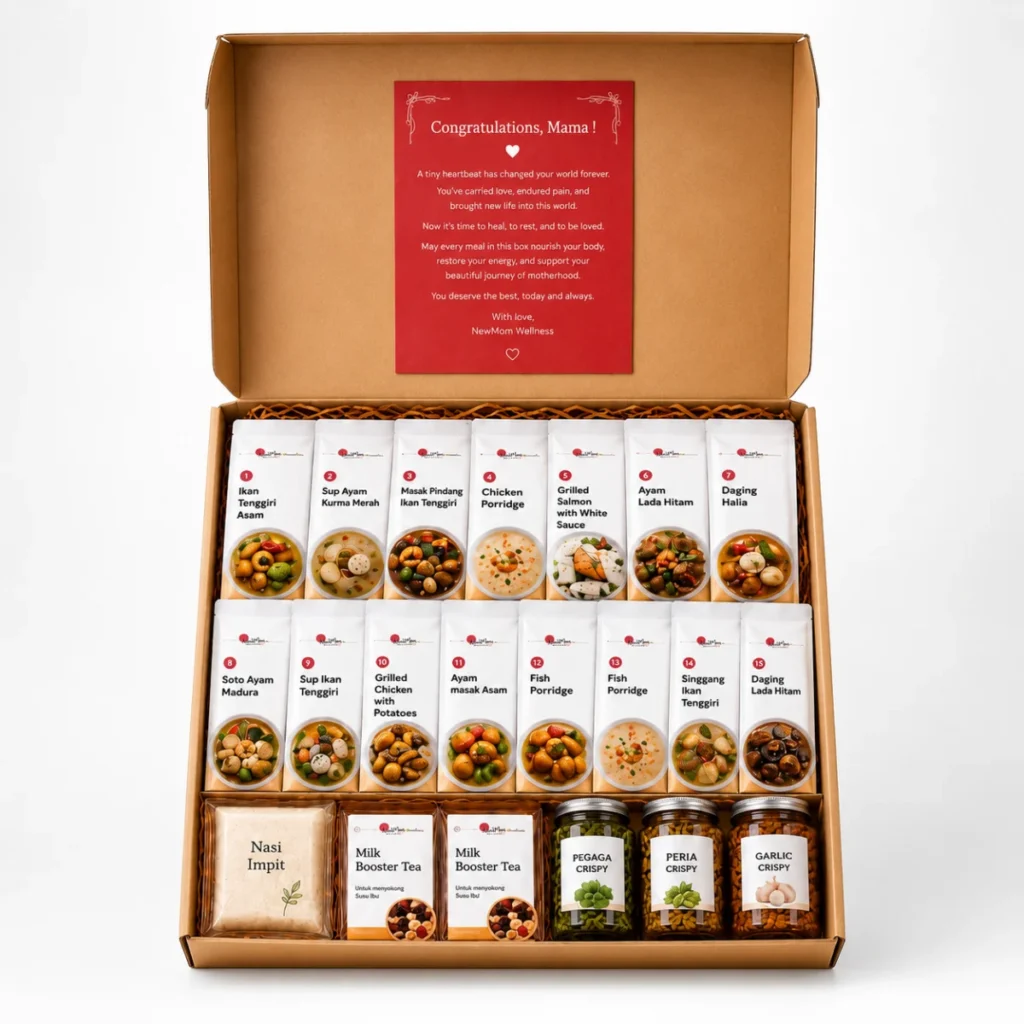
Ask about the 7-Day Confinement Set
For the husband, family and helpers, MakanHubb retort food keeps without a fridge and is ready to eat after heating, from RM17.90 a pack. These regular dishes are for the household, not for the mother’s confinement menu, because some of them are spicy.
Read also our guides on confinement food, a sample confinement menu, confinement dishes, how long is confinement and food after confinement.
FAQ about food after c-section
When can I start eating after a c-section?
According to the NHS, mothers can usually eat and drink in hospital as soon as they feel hungry or thirsty. Instructions can differ by hospital and by your condition, so follow your doctor and nurses.
Is confinement longer after a c-section than after a normal birth?
The length of confinement is a family tradition. Medically, a caesarean scar can take six weeks or more to heal fully, so rest and your postnatal check matter.
Do I need to eat haruan fish after a c-section?
Haruan is a popular traditional choice and a source of protein. It is not compulsory. Other fish, chicken, eggs and beans are also good protein sources.
Can I take jamu after a c-section?
Ask your doctor first, especially if you are breastfeeding, taking medication or have other health conditions.
What helps with constipation after a c-section?
Drink enough fluids, eat fibre rich food such as vegetables, fruit and beans, and go to the toilet as soon as you feel the urge. If constipation continues or is painful, tell your doctor.
Still have questions?
WhatsApp the MakanHubb team at 012-540 0263. We reply during office hours, Monday to Friday.