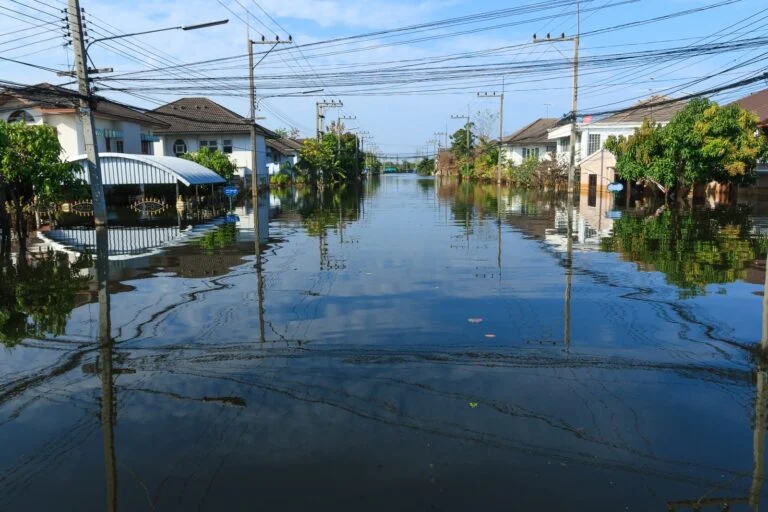
Quick answer: Flood preparedness starts before the rainy season. Check the flood risk around your home, make a family plan, keep documents in a waterproof bag, pack an emergency bag and stock food that needs no cooking for at least 3 days. When the authorities tell you to evacuate, leave right away and register at the temporary relief centre (PPS).
Floods in Malaysia rarely arrive without warning. However, the water can rise fast, especially at night. Families who prepare early usually leave sooner, carry the right things and panic less. So this guide walks you through flood preparedness from the start of the season until the water goes down, based on information from official agencies.
When is flood season in Malaysia?
Most major floods happen during the Northeast Monsoon. For the 2026/2027 season, MetMalaysia expected the Northeast Monsoon to start on 27 October 2026 and last until March 2027, with three to five episodes of heavy rain, as The Star reported. The exact dates change every year.
In addition, flash floods can happen at any time after heavy rain, including in cities. For this reason, follow weather warnings on the MetMalaysia website or the myCuaca app.
Flood preparedness before the rainy season
October and early November are the best months to get ready. At that point, shops still open as usual and you do not need to rush for supplies.
First step in flood preparedness: know your risk
First, ask neighbours who have lived in the area for years how high the water rose in past floods. Then check river levels near you on the Public Infobanjir (JPS) portal. Also, the NADMA Disaster Portal shows current disasters and relief centre locations.
Make a family plan
Everyone at home should know what to do. So sit down together and agree on these points:
- Your exit route and a backup road if the main road floods
- Where the nearest relief centre is, plus a relative’s house on higher ground
- A meeting point in case family members get separated
- Who looks after elderly members, babies or people with disabilities
- Important phone numbers written on paper
Also save the emergency numbers 999 and 112. Older children can learn their parents’ phone numbers by heart.
Protect documents and valuables
Scan your MyKad, birth certificates, passports, vehicle grants and insurance policies. Then keep digital copies in your email or cloud storage. After that, put the originals in a zip-lock bag or waterproof box and store it somewhere high.
When a warning comes, move electrical items and furniture upstairs or onto high tables. In addition, take photos of valuable items because they help with insurance claims later.
Pack an emergency bag and a first aid kit
An emergency bag is the bag you grab and carry out within a few minutes. You can find the full list in our flood emergency kit guide. Also, complete your medical supplies with our first aid kit checklist.
Family members who need extra care
Elderly people, patients and people with disabilities often need more time to move. Therefore, plan their evacuation early, even before an official order. Keep a list of their medicines, the doses they take and their doctor’s name in a waterproof bag.
For babies, pack more milk, diapers and clothes than you think you need. If a patient depends on an electric machine, talk to the doctor about a backup plan. NADMA also asks victims to tell rescuers about any illness or special needs when they call for help.
Food and water stock for flood preparedness
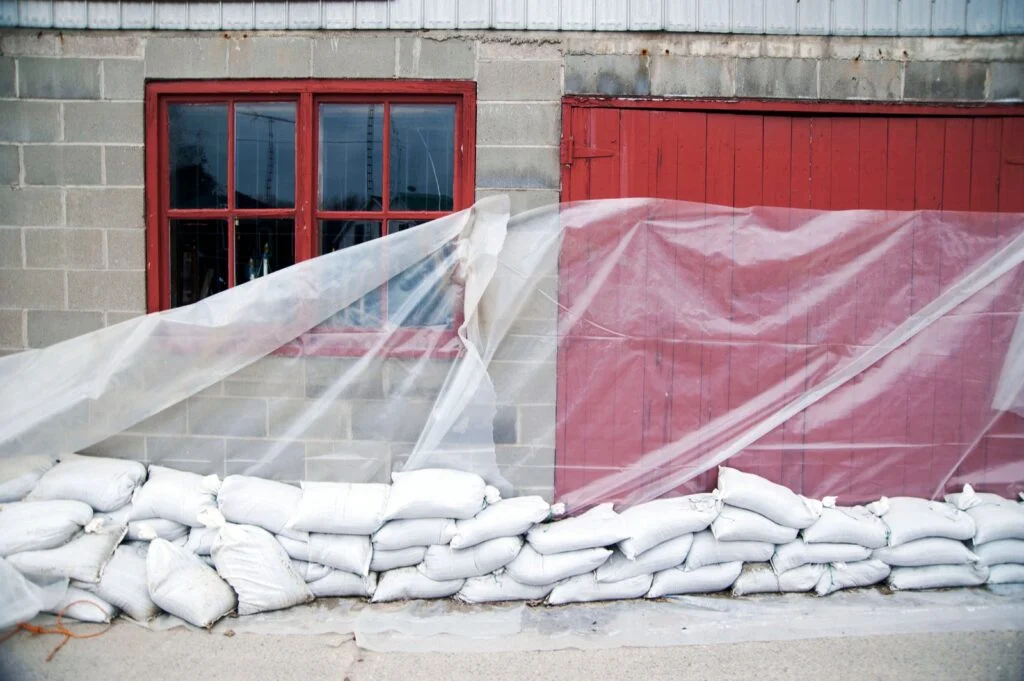
Power and piped water may stop for several days, and shops may close. As a result, keep a stock that you can eat without a fridge or a stove.
| Type | Examples | Notes |
|---|---|---|
| Drinking water | Bottled water | Plan for each person for at least 3 days |
| Ready dishes | Retort pouch meals, canned food | Eat straight away, no fridge needed |
| Carbohydrates | Rice in a pouch, biscuits, dry bread | Pick small single-meal packs |
| Energy snacks | Dates, nuts, cereal | Easy to carry in a bag |
| Baby needs | Formula milk, bottles, clean water | Follow your child’s needs |
Arrange your stock by expiry date and use the oldest first. Then replace old stock before every rainy season. For more options, read our guide to long lasting food.
What to do when the water starts rising
- Follow the authorities. If they tell you to evacuate, leave at once, even if the water is still low.
- Switch off the main power if it is safe to do so, and close the gas valve.
- Grab your emergency bag and make sure the whole family is together.
- Stay out of flood water. Strong currents can sweep away people and cars, and hidden holes are hard to see.
- Tell a relative where you are going.
If you get trapped, move to the highest point and call 999. In that situation, NADMA advises victims to wave brightly coloured cloth so rescuers can spot them.
Moving to a temporary relief centre
The Social Welfare Department (JKM) opens relief centres in schools, halls and mosques. Victims register with JKM, and the MyIBJKM app lets you fill in your details in advance. In November 2025, NADMA urged victims to register at relief centres and complete their MyIBJKM details so that the Bantuan Wang Ihsan aid could reach them.
For details on registration and what to bring, see our flood relief centre guide.
After the flood water goes down
Do not go home until the authorities say the area is safe. After that, take these steps:
- Get the wiring checked before you switch the power back on.
- Wear closed shoes and gloves while you clear the mud.
- Photograph the damage before cleaning, for any claims.
- Throw away food that touched flood water, except undamaged cans and retort pouches.
According to the US FDA, you can save undamaged food in all-metal cans and retort pouches. First, remove any labels that peel off. Next, wash with soap, rinse, then boil for 2 minutes or soak in a bleach solution. Finally, let it air dry for at least an hour and eat it as soon as possible.
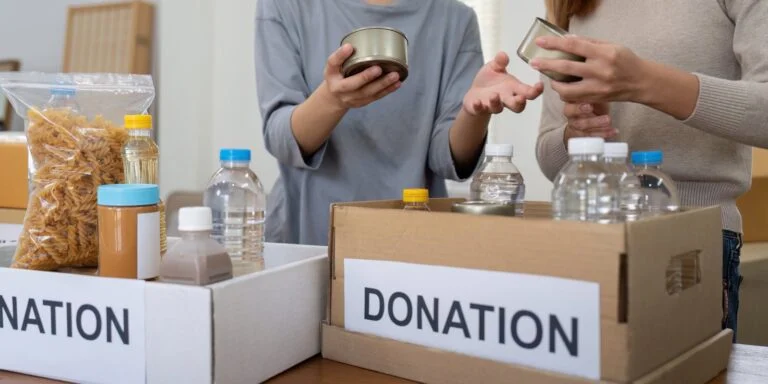
Many people also want to help neighbours who lost a lot. Our flood donation guide explains how to give through proper channels.
Ready meals in your emergency stock
Retort pouch meals suit flood preparedness because they need no fridge and keep for 1 to 2 years before opening. You can also eat them straight from the pack without cooking. If you have hot water, soak the pouch for a few minutes for a better taste.
MakanHubb dishes start from RM12.90 a pack. In addition, our White Rice pouch gives you rice without a rice cooker. To learn how retort pouches work, read our guide to ready to eat food.
Residents’ associations, surau committees or companies that want stock for many people can ask us about bulk orders.
Ask about bulk orders on WhatsApp
Extra flood preparedness tips
- Charge your power bank whenever a heavy rain warning goes out.
- Fill up your car early and park on higher ground.
- Check your family’s daily medicines and keep a week’s supply.
- Share your plan with neighbours, especially those who live alone or are elderly.
FAQ about flood preparedness
When is the best time to start flood preparedness?
Before the Northeast Monsoon starts, usually in October or early November. However, flash floods can happen at any time, so keep your emergency bag ready all year.
How many days of food should I keep?
At least 3 days for each family member. Areas that often get cut off may need more.
Where can I check flood warnings?
Weather warnings appear on the MetMalaysia website and the myCuaca app. You can check river levels on Public Infobanjir (JPS), while the NADMA Disaster Portal shows the current situation.
Do I need to register if I stay with relatives instead of a relief centre?
NADMA says victims who did not move to a relief centre still need to register with JKM and in MyIBJKM to receive aid. Check the latest conditions with your district JKM office.
Is retort pouch food safe if it touched flood water?
Undamaged pouches can be saved if you clean and sanitise them as the FDA describes. Throw away any pouch that leaks, swells or tears.
Still have questions?
WhatsApp the MakanHubb team at 012-540 0263. We reply during office hours, Monday to Friday.