Quick answer: A flood donation helps most when it goes through a coordinated channel. NADMA advises donors to contact the state or district Disaster Operations Control Centre (PKOB) first to learn what victims need right now. Then give items that people actually need, such as water, food that needs no cooking, hygiene items and baby supplies.
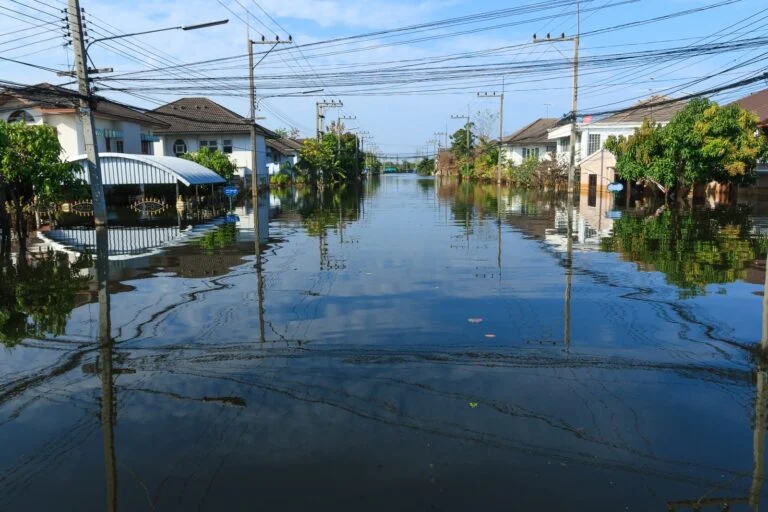
Every flood season, Malaysians are quick to help. However, uncoordinated donations sometimes pile up at one relief centre while other areas receive nothing. So this guide explains how to give in an organised way, which items help and what to avoid.
Why a flood donation needs coordination
In December 2024, the Minister of Women, Family and Community Development said that NGOs and others who want to donate should channel their aid through NADMA. As a result, distribution stays orderly and the same recipients do not get duplicate aid.
In addition, NADMA’s flood FAQ advises donors to contact the state or district PKOB for coordination and permission. It also asks donors to check victims’ current needs from time to time before delivering anything.
How to send a flood donation
- Check current needs. Contact the district PKOB or the relief centre managers. Needs on the first day of a flood differ from needs after the water goes down.
- Pick a proper channel. Give through government agencies or registered NGOs that are open about how they use funds.
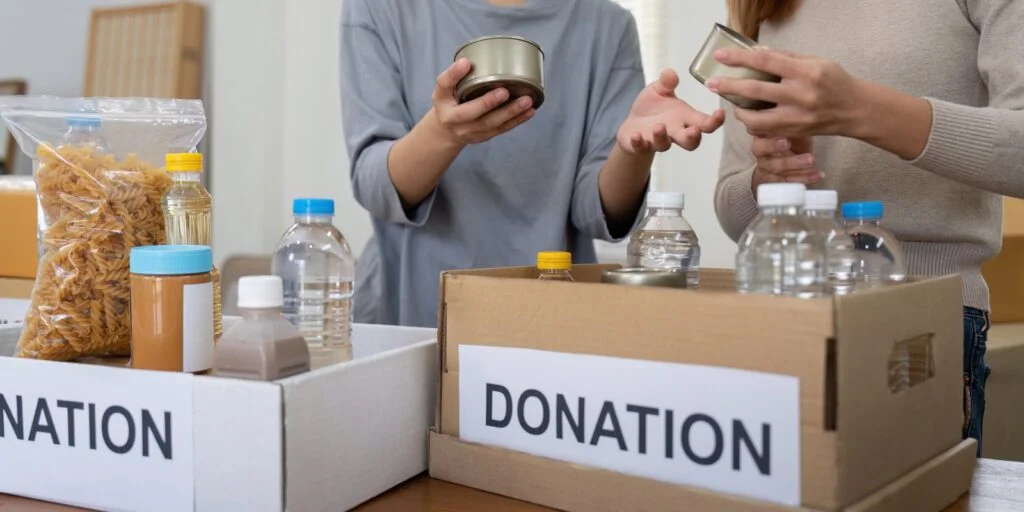
- Sort by category. Put food, water, hygiene items and clothes in separate boxes.
- Label each box. Write the contents and the earliest expiry date on the outside.
- Plan the delivery. Make sure the roads are safe and someone will receive the items on site.
Giving money
Cash lets organisers buy whatever people need most at that moment. Before you transfer money, however, check the organisation’s name and registration number. Also avoid sending money to unknown personal accounts, especially ones that go viral on social media without a clear source.
Useful items for a flood donation
| Category | Examples | Notes |
|---|---|---|
| Water | Bottled water | Piped water may stop |
| Ready food | Retort pouch meals, canned food, biscuits | No cooking or chilling needed |
| Hygiene | Soap, toothpaste, sanitary pads, hand sanitiser | Always in demand at relief centres |
| Baby supplies | Diapers, formula milk, wet wipes | Ask which sizes and brands they need |
| Cleaning | Rubber boots, gloves, brooms, floor soap | Needed after the water goes down |
You can donate clothes too, but make sure they are clean, in good condition and wearable. Also ask the organisers first, because some centres already have far too many clothes.
Flood donation needs change by phase
While victims stay at relief centres
At this stage, victims need water, ready food, blankets, hygiene items and baby supplies. These need to arrive quickly. Therefore, coordinating with PKOB matters so the items reach the right centre.
After the water goes down
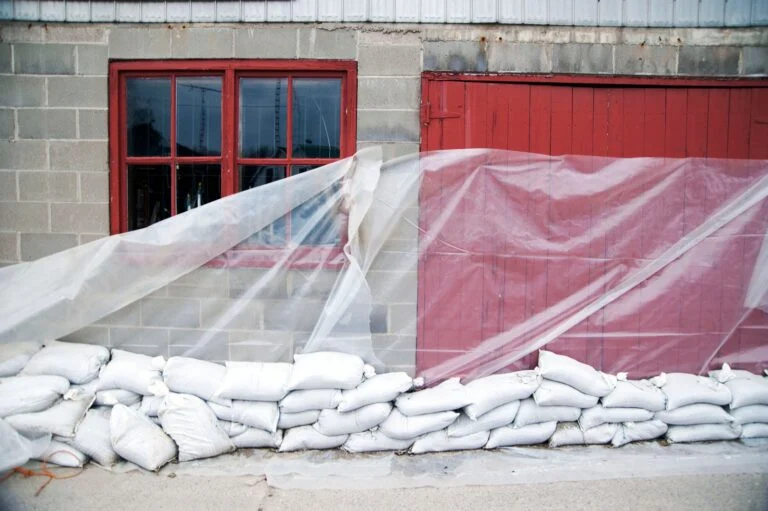
When victims return home, mud usually fills the house. So cleaning tools, soap, rubber boots and large rubbish bags become the main needs. Many families also lose their kitchen stock, which means rice, oil and long-lasting dishes help a lot.
Recovery a few weeks later
Once media coverage fades, donations usually drop. Still, some families need to replace mattresses, kitchen items or their children’s school books. For example, you can coordinate help at this stage with local schools, mosques or residents’ associations.
What to avoid
- Food that is close to or past its expiry date.
- Home-cooked dishes that spoil quickly without a fridge.
- Torn, dirty or unsuitable clothes.
- Glass jars that can break in transit.
- Driving straight into danger zones without contacting the authorities.
That way, volunteers do not waste time sorting out items nobody can use.
Volunteering
Your time is also a donation. After a flood, many families need help clearing mud. So register with a known organiser, because they will place you where help is needed and give you a safety briefing. Bring your own boots, gloves and drinking water.
Look after your own safety as well. Do not enter areas the authorities have closed, and watch out for live wires and venomous animals that the water may carry in. If you cannot go on site, you can still help from afar by collecting items, packing boxes or sharing official updates on victims’ needs.
Ready meals for bulk donations
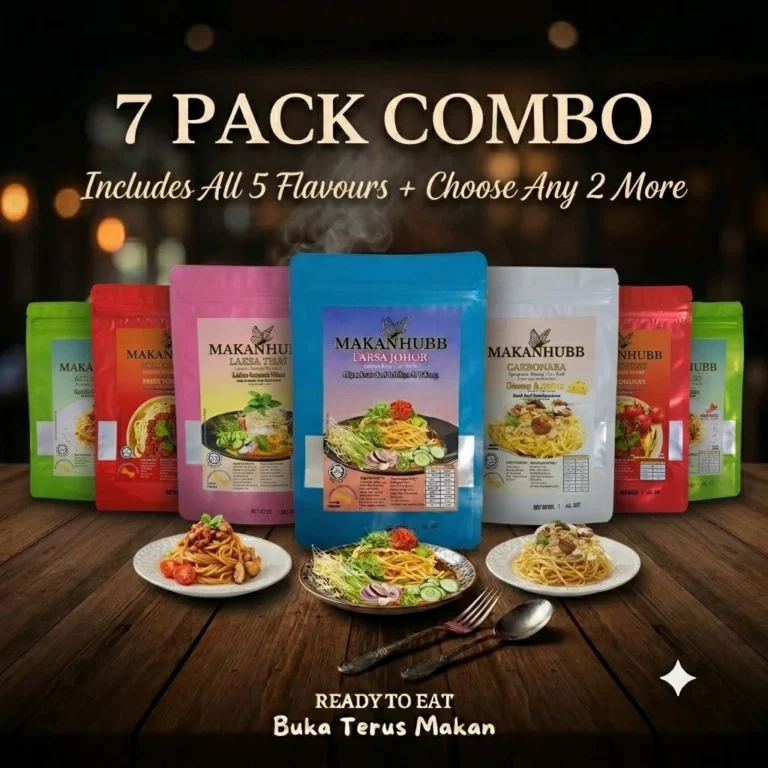
Retort pouch meals suit a flood donation because they need no fridge and keep for 1 to 2 years before opening. Victims can eat straight from the pack even without a stove or electricity. In addition, the pouches are light, do not break and stack easily in boxes.
MakanHubb dishes start from RM12.90 a pack. Our White Rice pouch also completes the meal without any cooking. To understand retort pouches better, read our guide to ready to eat food.
Companies, mosques, surau committees or NGOs that want to donate in large quantities can ask us on WhatsApp. We will let you know the stock and options available.
Ask about bulk orders for donations
Tips for giving wisely
- Keep giving after the water goes down, because cleaning and kitchen needs continue for weeks.
- Pool donations with neighbours or colleagues so delivery is more efficient.
- Keep receipts and a list of items for your records.
Want to prepare your own family too? Then read our flood preparedness and flood relief centre guides.
FAQ about flood donation
Where should I send my donation?
NADMA advises donors to contact the state or district PKOB for coordination. You can also give through government agencies or registered NGOs.
What do flood victims need most?
Usually water, food that needs no cooking, hygiene items, baby supplies and cleaning tools. Actual needs change, so ask the organisers first.
Can I send home-cooked food?
Cooked food spoils fast without a fridge. If you still want to send it, contact the organisers first so they can hand it out and people can eat it straight away.
How do I make sure my money reaches victims?
Give through registered and transparent organisations. Also check the organisation’s name and avoid unknown personal accounts.
Can I order retort meals in bulk?
Yes, you can ask through the WhatsApp button above. We will tell you the stock and options available for bulk orders.
Still have questions?
WhatsApp the MakanHubb team at 012-540 0263. We reply during office hours, Monday to Friday.