Quick answer: Cooking for one works best when you start with three tools (a rice cooker, a small pan and a kettle), a few long-lasting basics, and two or three recipes you can repeat. Cook once for two days, keep leftovers in the fridge, and have ready meals on hand for days when you are too tired to cook.
Living alone in a rented room, a shared house or work quarters gives you freedom. Food, however, is often the hard part. Eating out every day drains your money quickly, while cooking a single portion can feel like a chore. This guide explains how to start cooking with minimal equipment, which recipes suit one person, and how to store food safely.
What cooking for one really means
It simply means simple cooking for a single person. Fewer ingredients, short steps and not many plates to wash. It is not about bland food. Instead, it is about choosing recipes that are worth your time.
Most people living alone do not have a full kitchen. Some only have a rice cooker in their room, and others share a kitchen with housemates. For that reason, the recipes in this guide can be made with the most basic tools.
Basic tools for cooking for one
You do not need a full set of pots. Start with the tools you will actually use every week, then add more later if needed.
Rice cooker
A rice cooker is the most versatile tool for someone living alone. Besides cooking rice, it can steam eggs, boil vegetables and make porridge. A small model is enough for one or two people.
A small pan and pot
One non-stick pan and one small pot are enough to fry eggs, stir-fry vegetables and boil noodles. Choose sizes that fit in your sink so they are easy to wash.
Electric kettle
A kettle is good for more than drinks. Hot water from the kettle can warm retort food pouches, make oats or speed up boiling noodles.
Also keep one chopping board, one sharp knife and two or three containers with lids for leftovers.
Easy recipes for cooking for one
These recipes use ingredients you can find at any grocery shop or supermarket. All of them take less than half an hour.
Egg fried rice
Yesterday’s rice is best for fried rice because it is drier. Fry some garlic, crack in an egg, add the rice and season with soy sauce and a little salt. Add frozen vegetables such as peas or corn if you have them.
Omelette and stir-fried greens
Beat two eggs with onion and chilli, then fry until cooked. In the same pan, stir-fry sawi or kangkung with garlic. Serve with hot rice for a complete meal.
Noodle soup with vegetables and egg
Instant noodles can become a more filling meal. Add leafy greens and an egg while boiling, and use only half the seasoning packet to cut down on salt.
Cooking for one with a rice cooker
Put rice, water, a little oil, onion, ikan bilis and vegetables such as carrot into the rice cooker. Switch it on and let it cook. The result is a one-pot rice dish that leaves only one pot to wash.

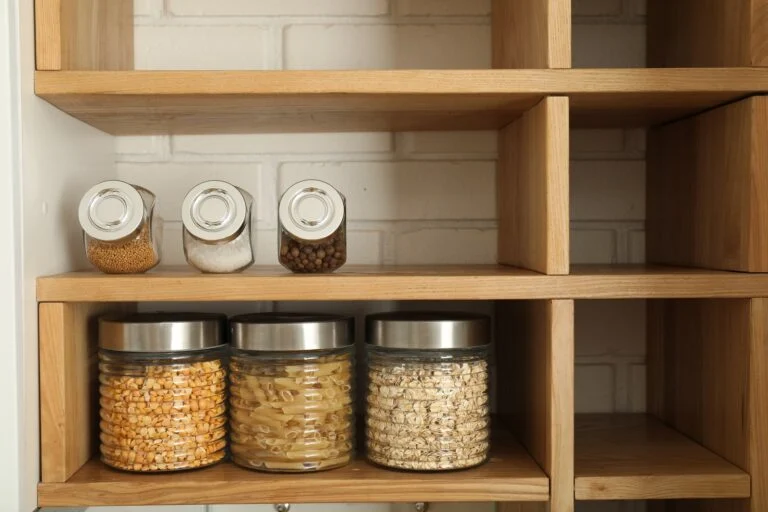
Basic ingredients for a one-person kitchen
A well-stocked kitchen does not mean a full shelf. Instead, keep ingredients that last and can be combined in many recipes. The table below is a sample starter list.
| Category | Examples | Use |
|---|---|---|
| Carbohydrates | Rice, noodles, bread, oats | Base for main meals and breakfast |
| Protein | Eggs, ikan bilis, canned sardines, dhal | Quick dishes with little preparation |
| Vegetables | Frozen vegetables, carrots, cabbage, onions | Last from a few days to a few weeks |
| Seasoning | Soy sauce, salt, chilli sauce, curry powder | Change the taste of the same dish |
| Ready meals | Retort pouches, canned food | Backup for busy days |
With these, you can make fried rice, porridge, vegetable soup and omelettes without going to the shop every day. In addition, most of them do not need a fridge.
Avoid buying too many fresh vegetables at once. When you live alone, fresh greens often wilt before you finish them. Buy enough for three or four days, and use frozen vegetables for the rest.
If you are new to cooking, pick two recipes first and repeat them until you are confident. After that, swap the protein or seasoning for variety. This is easier than trying a new recipe every day.
Cook once for two or three meals
Cooking a single portion every day takes time. A more practical approach is to cook two or three meals at once, for example on Sunday night. Divide the food into separate containers and keep them in the fridge.
Dishes such as chicken curry, sambal ikan bilis or mixed vegetables suit this approach. On the other hand, stir-fried greens taste better when cooked fresh.
A balanced plate even when eating alone
People who live alone can easily get used to eating rice with just one dish. The Ministry of Health Malaysia recommends the “suku-suku separuh” healthy plate: a quarter carbohydrates, a quarter protein and half vegetables and fruit, as described in this Utusan Malaysia report on balanced eating.
In practice, this means adding vegetables or fruit to every meal. Frozen vegetables and fruit such as bananas are easy to keep and need little preparation.
How to store leftovers safely
Cool leftovers and put them in the fridge as soon as possible. According to the FoodSafety.gov cold food storage chart, cooked leftovers can be kept in the fridge at 4°C or below for 3 to 4 days.
Write the cooking date on the lid so you know which dish to finish first. If your fridge is small or shared, cook smaller batches.
Ready meals as a backup for cooking for one
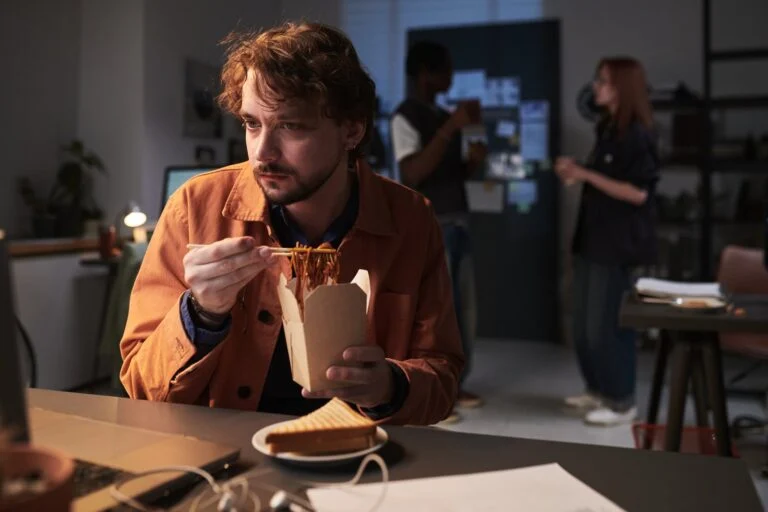
Some days you get home late with no energy to cook. On those days, ready-to-eat retort pouches can replace fast food. MakanHubb retort pouches need no fridge and last 1 to 2 years before opening.
You can eat straight from the pack or warm the pouch in hot water for a few minutes. This works well in a rented room with no kitchen. For other options that keep well, read our guides to long lasting food and ready to eat food.
If you want to build a monthly stock, our guide on food for living alone covers what to buy and how to store it.
Prices start from RM12.90 a pack. See the full menu in the MakanHubb shop.
Money-saving tips for cooking for one
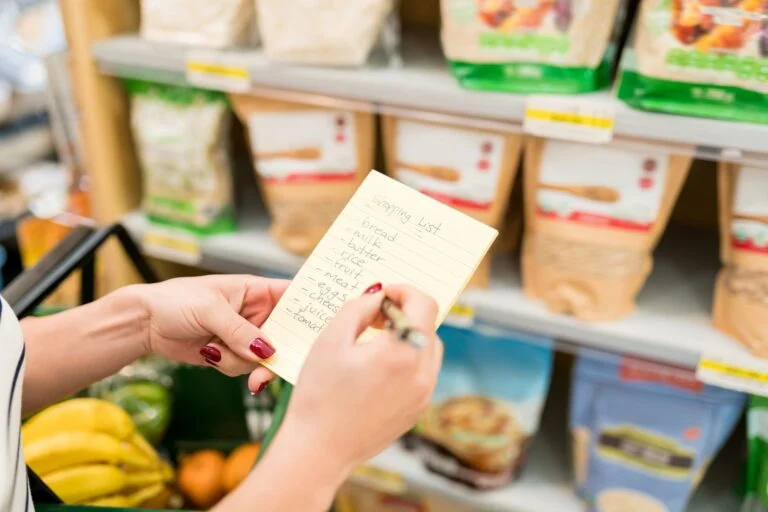
- Plan a weekly menu. A short list of five meals helps you buy only what you need.
- Buy rice and eggs in moderate amounts. Both form the base of most meals.
- Use frozen vegetables. They do not wilt quickly and you can take a little at a time.
- Share basics with housemates. Onions, oil and salt can be bought together.
- Keep a few ready meal packs. That way, you are less tempted to order food every time you are tired.
FAQ about cooking for one
What is the most important tool for cooking for one?
A rice cooker. It can cook rice, steam food and make one-pot rice dishes. If space is tight, this tool alone is enough to get started.
Can I cook without a gas stove?
Yes. A rice cooker, an electric kettle and a small electric hob are enough. However, check the rules of your rented home or hostel, as some places ban cooking appliances in rooms.
How long can leftovers be kept?
According to FoodSafety.gov, cooked leftovers can be kept in the fridge at 4°C or below for 3 to 4 days. Throw them away if the smell or look changes.
Is cooking at home cheaper than eating out?
Generally, cooking at home costs less if you plan your menu and do not waste ingredients. The actual cost depends on what you buy and prices in your area.
Do retort meals need to be heated?
No. MakanHubb retort meals can be eaten straight from the pack. If you prefer them warm, soak the pouch in hot water for a few minutes.
Still have questions?
WhatsApp the MakanHubb team at 012-540 0263. We reply during office hours, Monday to Friday.