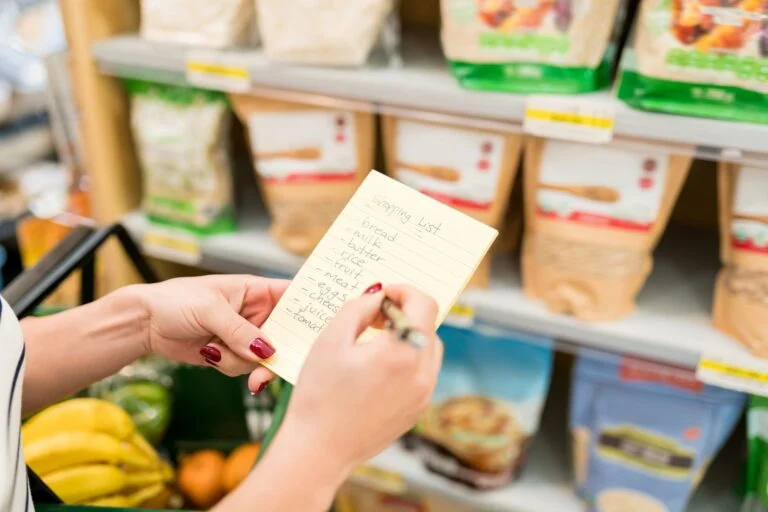
Quick answer: A practical stock of food for living alone covers dry goods (rice, noodles, oats), long-lasting protein (eggs, canned fish, dhal), vegetables that do not wilt quickly and a few ready meal pouches. Choose food that needs no fridge if space is tight, and arrange it by expiry date so older items get used first.
When you live alone, shopping for groceries every day is tiring. Yet buying too much at once can lead to waste. This guide gives a balanced monthly stock list, explains how to store it in a rented room or shared house, and shows a sample weekly menu that uses the stock.
Why keep a stock of food for living alone
An organised stock saves time and money. You do not need to go out every time you are hungry, and you are less tempted to order food online. It also acts as a backup when your salary is late, the weather is bad or you are unwell.
However, a good stock is more than a full shelf. It needs to match the way you eat and the space you have.
Monthly list of food for living alone
This list is an example. Adjust the amounts to your taste, budget and how often you eat at home.
Dry goods
- Rice (a small bag is enough for one person for a month)
- Dried noodles, bihun or spaghetti
- Oats and plain biscuits for breakfast
- Dhal or green beans
Long-lasting protein
- Eggs (buy weekly if you have no fridge)
- Dried ikan bilis
- Canned sardines or tuna
- UHT milk in small cartons
Vegetables and fruit
Choose vegetables that last a few days at room temperature, such as onions, potatoes, carrots and cabbage. If you have a fridge, frozen vegetables are the most practical choice. For fruit, bananas and apples are easy to keep and need no preparation.
Ready meals and seasoning
- Retort meal pouches for busy days
- Soy sauce, salt, chilli sauce and curry powder
- Cooking oil in a small bottle
Storing food for living alone in a rented room
Many people who live alone stay in a rented room or shared house with limited space. So how you store food matters as much as what you buy.
With no fridge
Focus on dry food, canned food and retort pouches. Keep them in plastic containers with lids to protect them from ants and cockroaches. Place the containers away from windows that get direct sunlight.
With a shared fridge
Label your containers with your name and the date. Keep leftovers in the same section so they are easy to check. According to the FoodSafety.gov storage chart, cooked leftovers should be finished within 3 to 4 days when kept at 4°C or below.
Sample weekly menu from your stock
This table shows how basic stock can become different meals. It is only an example, so swap dishes to suit your taste.
| Day | Lunch or dinner |
|---|---|
| Monday | Rice, omelette and stir-fried greens |
| Tuesday | Noodle soup with vegetables and egg |
| Wednesday | Rice with sambal sardines |
| Thursday | Retort dish with white rice |
| Friday | Ikan bilis fried rice |
| Saturday | Rice porridge with dhal |
| Sunday | Retort spaghetti and fruit |
For simple recipes using these ingredients, read our guide to cooking for one.
Split your shopping by week
Buying everything at the start of the month is convenient, but not every item keeps well. A more balanced approach is to split your shopping into two types.
First, a monthly shop for dry and long-lasting items such as rice, noodles, canned food, seasoning and retort pouches. Second, a weekly shop for fresh items such as eggs, leafy greens, fruit and bread. This way, your shelf always has the basics, while fresh food does not have time to spoil.
In addition, a weekly shop gives you a chance to check your stock. If there are dishes or vegetables left, plan that week’s menu around them before buying more. As a result, less food goes in the bin and spending stays under control.
Retort meals in your food for living alone
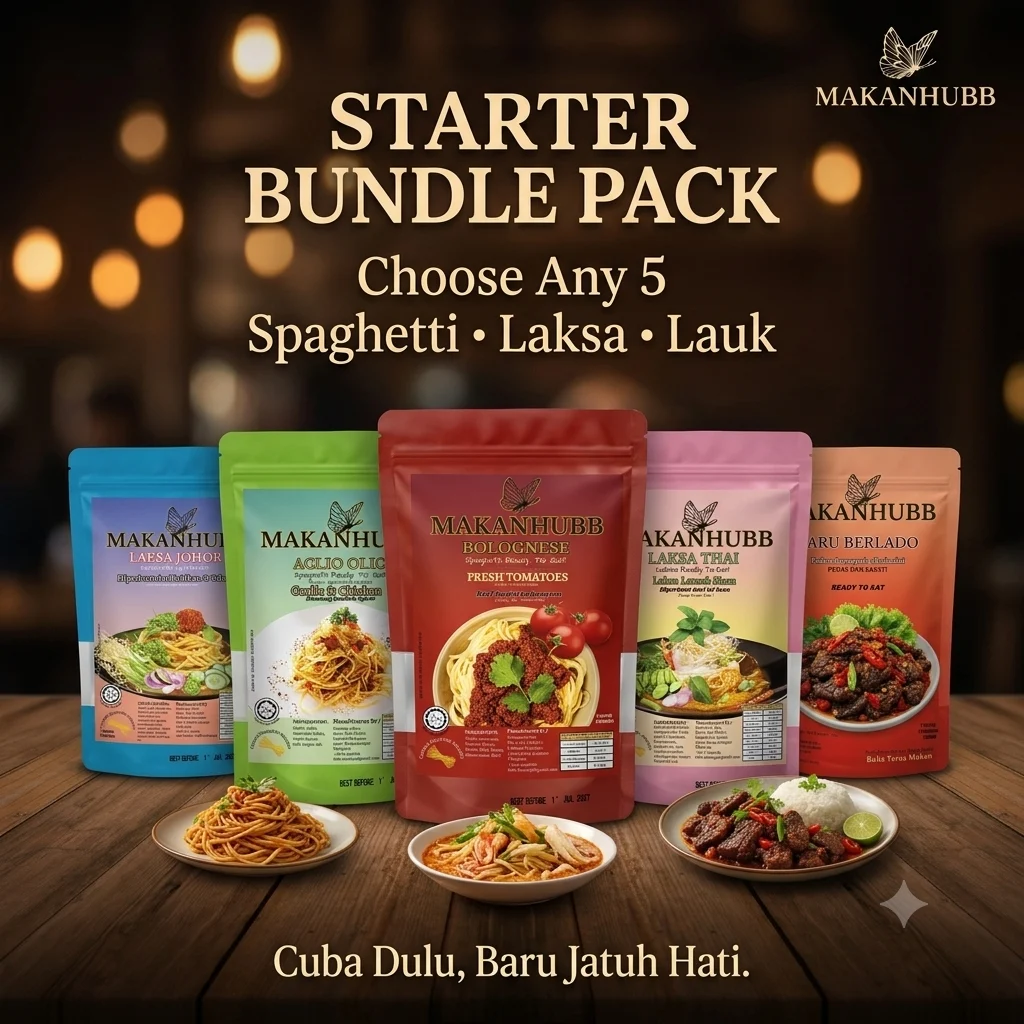
Retort meals suit people who live alone because each pouch is one meal. There are no leftovers to store. MakanHubb pouches last 1 to 2 years before opening and need no fridge.
You can eat straight from the pack, or warm the pouch in hot water for a few minutes. To understand why retort food keeps so long, read about retort food shelf life and our list of other long lasting food.
Prices start from RM12.90 a pack. The full range is in the MakanHubb shop.
Tips to avoid waste
- Check your stock before shopping. Take a photo of your kitchen shelf so you know what is left.
- Buy fresh vegetables for a few days only. Use frozen or root vegetables for the rest.
- Note expiry dates. Write them on the lid if the original label is small.
- Split large bags. Move rice or oats into smaller containers so they are easier to use and stay dry.
FAQ about food for living alone
How much food for living alone should I keep?
Start with stock for two weeks. After a month, you will know which items run out quickly and which sit unused, and you can adjust the list.
Which foods do not need a fridge?
Rice, dried noodles, oats, canned food, unopened UHT milk and retort meal pouches. Store them in a cool, dry place.
Can eggs be kept without a fridge?
In Malaysia, eggs are usually sold at room temperature. If you have no fridge, buy small amounts and finish them within a short time.
Do retort meals need to be heated?
No. Retort meals can be eaten straight from the pack. If you want them warm, soak the pouch in hot water for a few minutes.
How do I store food in a shared house?
Use labelled containers and your own shelf or box. Talk to your housemates about fridge space so items do not get mixed up.
Still have questions?
WhatsApp the MakanHubb team at 012-540 0263. We reply during office hours, Monday to Friday.