Quick answer: Yes, you can bring food on a plane. Dry food such as bread, biscuits and rice is usually allowed in the cabin. Dishes with gravy, sauces and sambal count as liquids and gels, so in the cabin they are limited to 100ml containers. Put dishes with gravy in your checked baggage, and check the rules of your destination country for international flights.
The question “can I bring food on a flight?” usually has two parts: the airport security rules and the customs rules of your destination country. This guide explains both, and how to pack your food so it does not get held at the security check.
Food on a plane: cabin bag vs checked baggage
| Type of food | Cabin bag | Checked baggage |
|---|---|---|
| Bread, biscuits, dry cake | Usually allowed | Allowed |
| Rice and dry dishes | Usually allowed | Allowed |
| Dishes with gravy, curry, soup | Only in containers of 100ml or less | Allowed if packed securely |
| Sambal, sauces, jam, honey | Only in containers of 100ml or less | Allowed |
| Milk and baby food | Usually exempt in reasonable amounts | Allowed |
| Fresh fruit | Depends on the destination country | Depends on the destination country |
The actual rules can differ by airport and airline. Check your airline’s official website, for example the Malaysia Airlines baggage page.
Liquid and gel rules in the cabin
Most international airports follow the rules for liquids, aerosols and gels (LAGs):
- Each container must not exceed 100ml.
- All containers go into one clear, resealable plastic bag of about 1 litre.
- One bag per person, taken out during the security scan.
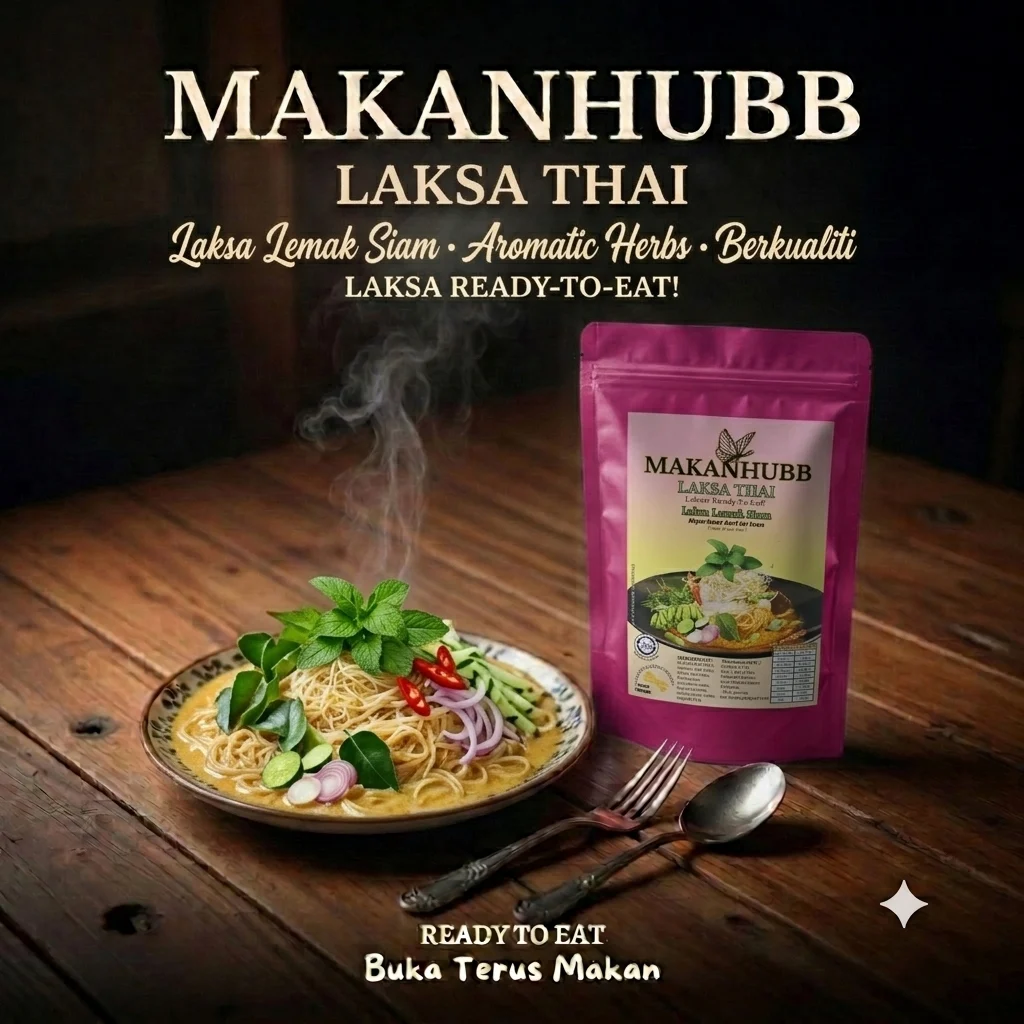
Foods that many people do not expect to count as liquids or gels: curry, soup, sambal, rendang with gravy, yogurt, peanut butter, honey and pudding. A retort pouch of a dish with gravy is usually more than 100ml, so put it in your checked baggage.
Destination country rules
After airport security, you still have to pass customs and quarantine in your destination country. Here the rules are stricter for animal products:
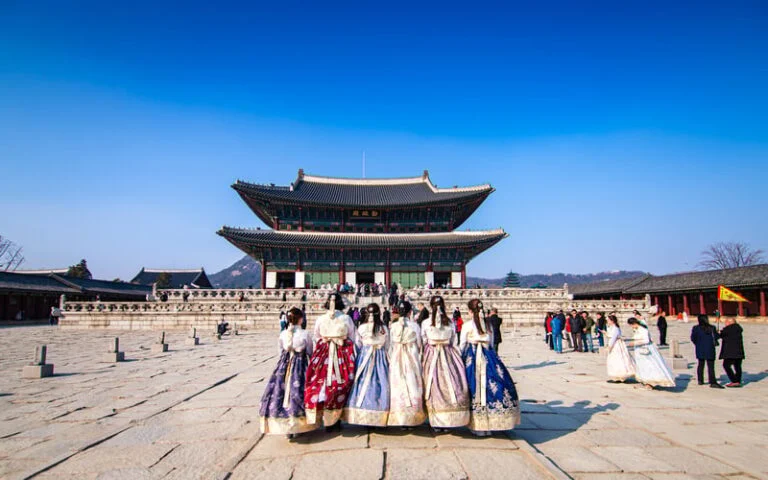
- South Korea: undeclared meat products that are subject to quarantine can be fined up to 10 million won, according to Asia Economy. Read our guide on halal food in Korea.
- Japan, Australia, New Zealand: known for strict biosecurity checks. Check each country’s official website.
- Domestic flights: including to Sabah and Sarawak, food is usually not an issue apart from the cabin rules.
If you are unsure, declare it. At worst, declared food will be confiscated, but hiding it can lead to a fine.
How to pack food on a plane trip
- Dry snacks in your cabin bag. For the children and for waiting time.
- Dishes with gravy in checked baggage. Wrap them in clothes and put them in a zip-lock bag.
- Keep the original labels. Customs officers find labelled products easier to inspect.
- Bring an empty water bottle. Refill it after the security check.
- Bring a small rubbish bag. For leftovers and packaging.
The full list of things to bring is in our travel packing tips, and food suggestions by type of trip are in our guide on travel food.
FAQ: bringing food on a plane
Can I bring nasi lemak on a flight?
Rice and dry dishes are usually allowed in the cabin on domestic flights. A large amount of sambal may count as a gel. Finish eating before landing if you are flying to a strict country.
Can I bring retort food in my cabin bag?
Pouches with gravy over 100ml are usually not allowed in the cabin. Put them in your checked baggage.
Can I bring food to Korea?
Food without animal products is usually fine if you declare it. Meat products, including dishes in pouches and meat-flavoured instant noodles, risk a fine.
Can I eat my own food on the plane?
Most airlines allow it. Some low-cost airlines have their own policy on outside food, so check first.
Does baby milk count towards the 100ml limit?
Milk and baby food are usually exempt in reasonable amounts for the journey. Tell the officer during the security check.
Still have questions?
WhatsApp the MakanHubb team at 012-540 0263. We reply during office hours, Monday to Friday.