
Quick answer: The most practical travel food is ready-to-eat food that lasts without a fridge, for example retort dishes and rice, biscuits and nuts. For domestic trips, you can bring almost anything. For trips abroad, check the rules of your destination country first, because many countries ban travellers from bringing in meat and chicken products.
Many Malaysians bring a little food from home when they go on holiday, whether to save money, to feed the children, or because they worry about the halal status of food in a foreign place. This guide explains which travel food suits each type of trip, what you can and cannot bring, and how to pack it so it does not spill or get held at customs.
Travel guides by destination
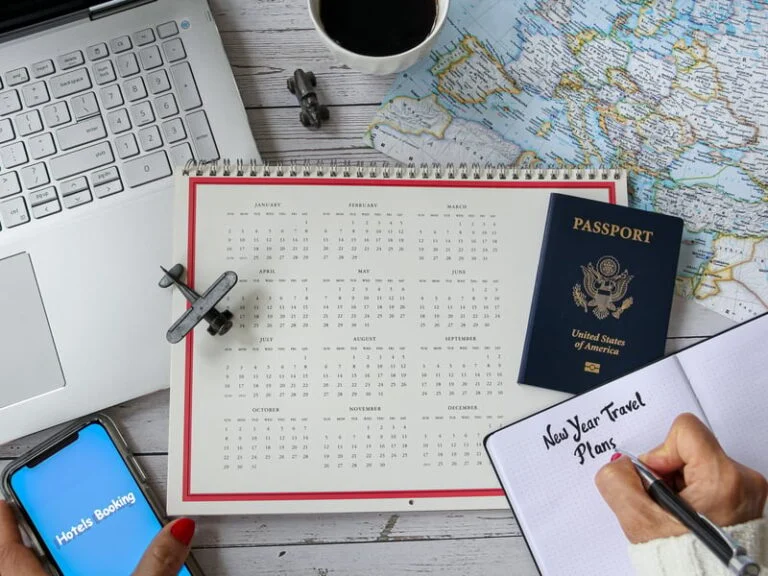 TravelBest Places to Visit by Month: 10 Picks for Every Month for MalaysiansA list of the best places to visit by month for Malaysians, with 10 picks for every month from January to December…
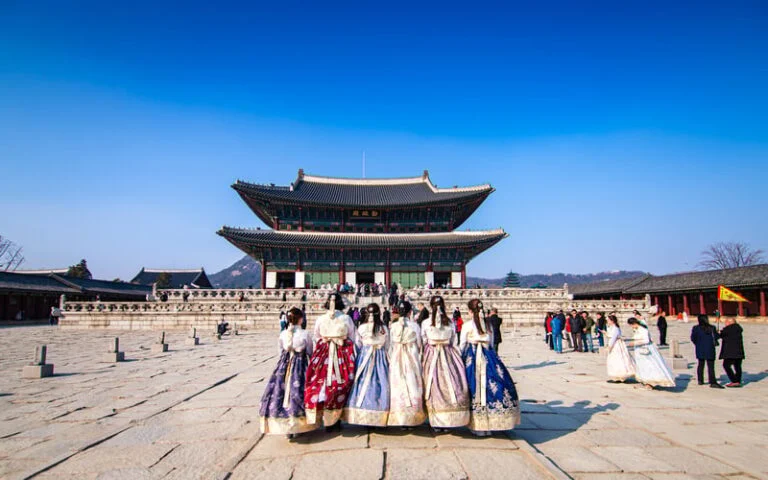 TravelHalal Food in Korea: Where to Find It and What to BringWhere to find halal food in Korea, Muslim-friendly restaurant categories, Korean words on labels and what you can bring.
 TravelHalal Food in Japan: Tokyo, Osaka, Kyoto and What to BringWhere to find halal food in Tokyo, Osaka and Kyoto, ingredients to avoid, convenience store labels and food you can bring.
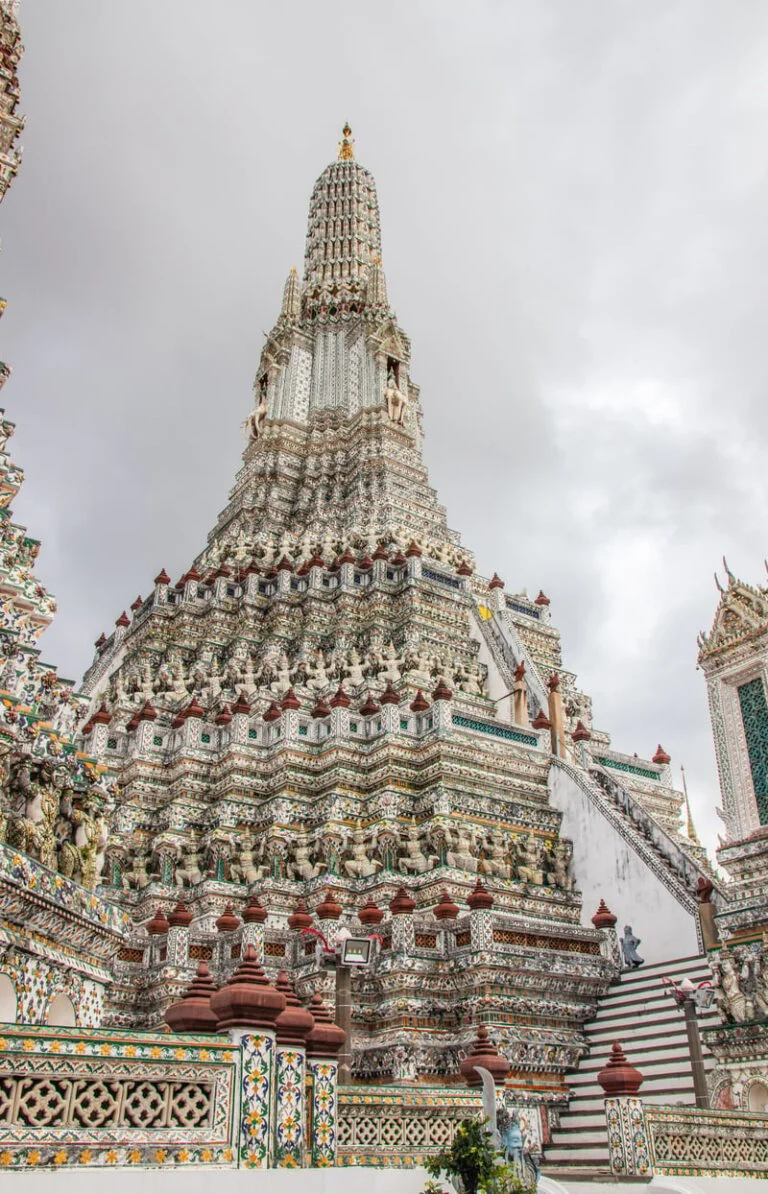 TravelHalal Food in Thailand: Bangkok, Hat Yai, Krabi and PhuketWhere to find halal food in Bangkok, Hat Yai, Krabi and Phuket, the Thai halal logo, useful Thai words and food you…
 TravelHalal Food in Vietnam: Ho Chi Minh City, Hanoi and Da NangWhere to find halal food in Ho Chi Minh City, Hanoi and Da Nang, Vietnamese words to recognise and food you can…
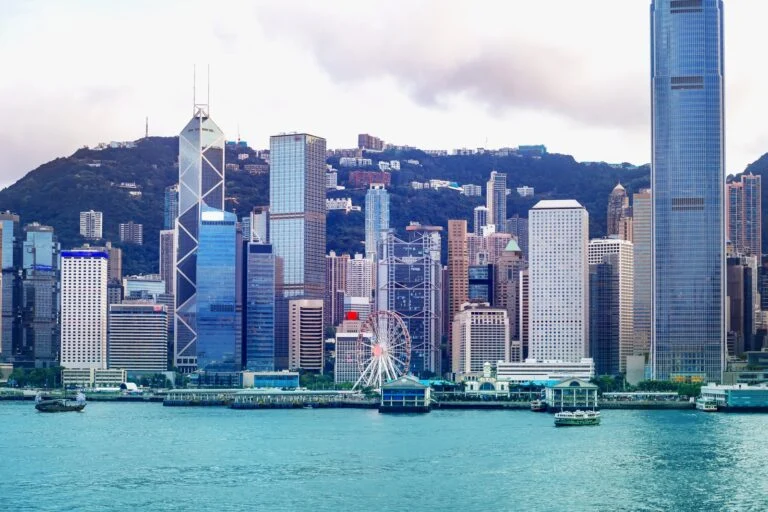 TravelHalal Food in Hong Kong: Tsim Sha Tsui, Wan Chai and What to BringWhere to find halal food in Tsim Sha Tsui and Wan Chai, halal dim sum, ingredients to avoid and the rules for…
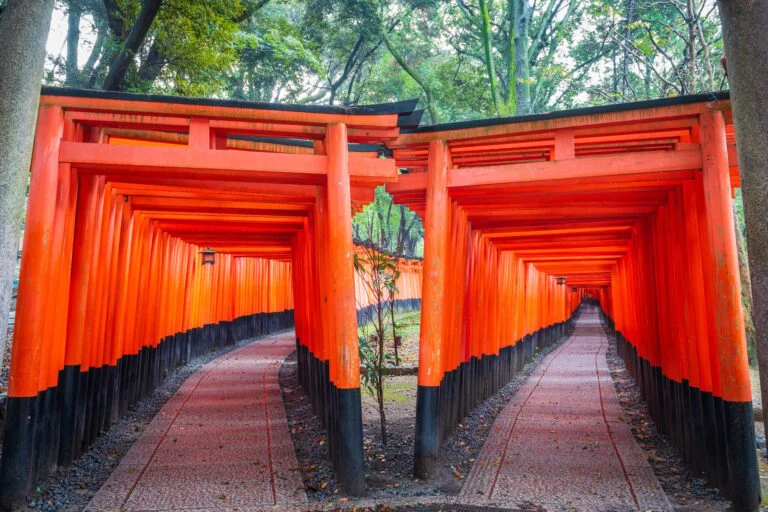 TravelPlaces to Visit in Japan: Tokyo, Fuji, Kyoto, Osaka and HokkaidoPlaces to visit in Japan grouped by city, from Tokyo and Mount Fuji to Kyoto, Nara, Osaka and Hokkaido, with tips on…
 TravelPlaces to Visit in Korea: Seoul, Nami Island, Busan and JejuPlaces to visit in Korea grouped by city, from the palaces and Itaewon in Seoul to Nami Island, Busan and Jeju, with…
 TravelPlaces to Visit in Thailand: Bangkok, Hat Yai, Betong, Krabi and PhuketPlaces to visit in Thailand grouped by area, from Bangkok and Hat Yai to Betong, Krabi and Phuket, with tips on halal…
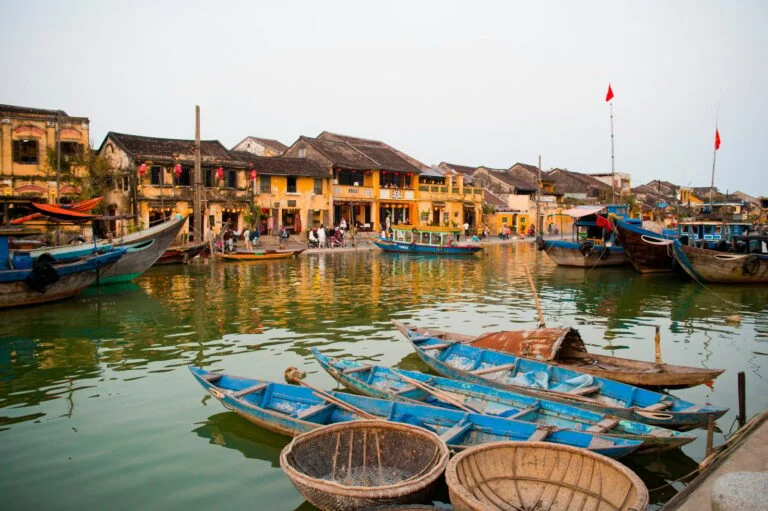 TravelPlaces to Visit in Vietnam: Hanoi, Sapa, Da Lat and Phu QuocTen places to visit in Vietnam from north to south, including Sapa and Da Lat, with halal food tips and what food…
 TravelPlaces to Visit in Indonesia: Bandung, Bali, Padang, Medan and MoreA guide to places to visit in Indonesia, from Bandung and Yogyakarta to Padang, Medan, Batam, Bali and Lombok, with food and…
 TravelTravel Packing Tips: Checklist and How to Pack FoodA packing checklist, ways to fit more in your bag, and how to pack food from home for your holiday.
 TravelBringing Food on a Plane: Cabin and Customs RulesWhat you can bring in your cabin bag and checked baggage, the 100ml liquid rule and destination customs rules.
Travel food by type of trip
What you should pack depends a lot on where you are going and how you get there. The table below is a quick guide.
| Trip | Suggested food | Watch out for |
|---|---|---|
| Road trip within Malaysia | Retort dishes and rice, bread, fruit, water | Avoid regular home-cooked food, which spoils quickly in a hot car |
| Domestic flights (including Sabah and Sarawak) | Retort food in checked baggage, dry snacks in the cabin | Dishes with gravy count as liquids for cabin baggage |
| Umrah and haji | Packed white rice, dates, biscuits (meat-free) | Meat dishes are not recommended for Saudi Arabia because of SFDA rules. Read bringing food to Saudi Arabia |
| Korea, Japan, Australia, New Zealand | Dry snacks without meat, retort white rice | Very strict rules on meat, chicken and dairy products |
| Camping and hiking | Light retort pouches, energy food | Bring all your rubbish back with you |
For a road trip, the main risk is heat. Regular cooked food left in a car can go bad quickly, so food that keeps at room temperature is the safer choice. For flights, the question is less about spoilage and more about the airport and customs rules covered further down.
Why retort food works well as travel food
- No fridge needed. It keeps for 1 to 2 years at room temperature.
- Already cooked. You can eat it straight away, or soak it in hot water from the hotel kettle.
- Light and flat. Easier to arrange in a bag than cans or plastic containers.
- Sealed. No smell and no spills as long as the pack is not damaged.
Because the food is already cooked and sealed, you do not need to plan around a kitchen or a fridge at your hotel or campsite. A full explanation of the process is in our guide on retort food.
Rules for bringing food abroad
Many countries strictly control the entry of animal products to prevent livestock diseases such as African swine fever (ASF). For example, South Korea can fine travellers up to 10 million won for failing to declare products that are subject to quarantine, as reported by Asia Economy. Japan, Australia and New Zealand are also known for strict biosecurity checks.
These rules apply to the food in your luggage, not only to fresh meat. A sealed pouch of chicken or beef is still a meat product as far as a quarantine officer is concerned.
Safe general principles:
- Check the official customs or quarantine website of your destination country before you fly.
- Avoid bringing products that contain meat, chicken or animal fat to countries that ban them, including dishes in pouches.
- Declare all food on your arrival form if asked. Declaring usually does not lead to a fine, but hiding food can.
- Keep food in its original labelled packaging so it is easy to inspect.
For Korea, we cover the food options there in our guide on halal food in Korea.
How to pack travel food
- Checked baggage for dishes with gravy. Most airports limit liquids and gels in the cabin to 100ml containers.
- Wrap pouches in clothes. This protects the packs from being squashed or punctured.
- One zip-lock bag for all the food. Easy to take out during inspection.
- Bring spoons, tissues and a rubbish bag. Small things that people often forget.
Packing your food in one place also makes the customs part simpler. If an officer asks what food you have, you can show everything at once instead of searching through the whole bag.
The full list is in our travel packing tips, and the cabin rules are in our guide on bringing food on a plane.
How to heat food at your hotel
- Boil water in the hotel’s electric kettle.
- Pour it into a small sink or a container, then soak the sealed pouch for 5 to 10 minutes.
- Cut the pouch open and eat it straight away, or pour it into a bowl.
Do not put the pouch inside the kettle. It can damage the kettle and break hotel rules.
FAQ about travel food
Can I bring retort food on a flight?
Yes, in checked baggage for domestic flights. In the cabin, dishes with gravy over 100ml are usually not allowed. For international trips, also follow the rules of your destination country.
Can I bring chicken or meat dishes to Korea?
It is not recommended. Korea bans meat products that are subject to quarantine, and the fines are high. Choose dry snacks or white rice without meat, and declare the food you bring.
What is the lightest food to bring?
Retort pouches, biscuits, nuts and dried fruit. Cans are heavier and need an opener.
How much food should I bring?
Enough for the first 2 to 3 meals or for emergencies. For the rest of the trip, try suitable local food.
Is it suitable for children?
Yes. Choose non-spicy dishes and bring their favourite snacks, especially for long flights.
Still have questions?
WhatsApp the MakanHubb team at 012-540 0263. We reply during office hours, Monday to Friday.