Quick answer: Halal food in Japan is easiest to find in Tokyo (Asakusa, Shinjuku and the area around Tokyo Mosque), Osaka (Namba and Dotonbori) and Kyoto. Choose restaurants labelled halal or Muslim Friendly, and read the labels in convenience stores. Do not bring meat dishes from Malaysia, because Japan bans meat products without an inspection certificate, even if they are already cooked.
Japan is one of the most popular destinations for Malaysian travellers, and the first question many people ask is whether it is easy to find something to eat. The answer is that it is easier than it was ten years ago, especially in the big cities. This guide explains where to find halal food in Japan, which ingredients to avoid, how to read labels, and what food you can bring from Malaysia.
Where to find halal food in Japan
Tokyo
Tokyo has the most choice. Asakusa, Shinjuku, Shibuya and Akihabara all have halal versions of ramen, yakiniku and Japanese curry. Tokyo Mosque (Tokyo Camii) in Yoyogi-Uehara also has a small grocery shop that sells halal products.
Osaka and Kyoto
In Osaka, the Namba and Dotonbori areas have several halal and Muslim Friendly restaurants. Kyoto has options around Kyoto Station and the main tourist areas such as Gion. There are fewer choices than in Tokyo, so mark the locations on your map before you head out.
Hokkaido and rural areas
Sapporo has a few halal restaurants, but in small towns and ski areas the choice is very limited. If you are travelling outside the cities, bring food that contains no meat or plan to cook for yourself.
How halal food in Japan is labelled
Restaurants in Japan usually use one of these labels:
- Halal certified: approved by a halal certification body, usually with the certificate displayed in the shop.
- Muslim Friendly: has a menu without pork and alcohol, but the kitchen may be shared with other dishes.
- Pork free: no pork, but the chicken and beef may not be slaughtered according to Islamic rules.
Choose based on your own comfort level. If you are unsure, ask the restaurant staff directly.
Ingredients to avoid
Japanese cooking uses many ingredients that are not suitable for Muslims, even when a dish looks like plain seafood or vegetables. These are the words to recognise on a label:
| Japanese | Pronunciation | Meaning |
|---|---|---|
| 豚肉 | butaniku | Pork |
| ラード | raado | Pork fat (lard) |
| ゼラチン | zerachin | Gelatin |
| みりん | mirin | Rice wine for cooking |
| 酒 | sake | Rice alcohol |
| ポーク | pooku | Pork |
Mirin and sake are often used in teriyaki sauce, sukiyaki and simmered dishes. Regular ramen broth is usually made from pork bones (tonkotsu). This is why a halal restaurant is a safer choice than simply ordering from the seafood menu.
Halal food in Japan: convenience stores
Konbini such as 7-Eleven, Lawson and FamilyMart make life easier for travellers. Most products do not carry a halal logo, but there are safer options such as tuna mayo or salmon onigiri, bread made without lard, fruit and drinks. Use a camera translation app to read the ingredient list if you need to.
What you can bring from Malaysia
Japan is very strict about meat products. According to the Animal Quarantine Service of Japan, meat products without an inspection certificate from the exporting country’s government cannot be brought in, even for personal use and even if they have been heat processed or vacuum packed. The penalty can reach up to 3 years in prison or a fine of up to 3 million yen.
Our suggestions:
- Do not bring chicken or meat dishes, including rendang, curry and dishes in pouches.
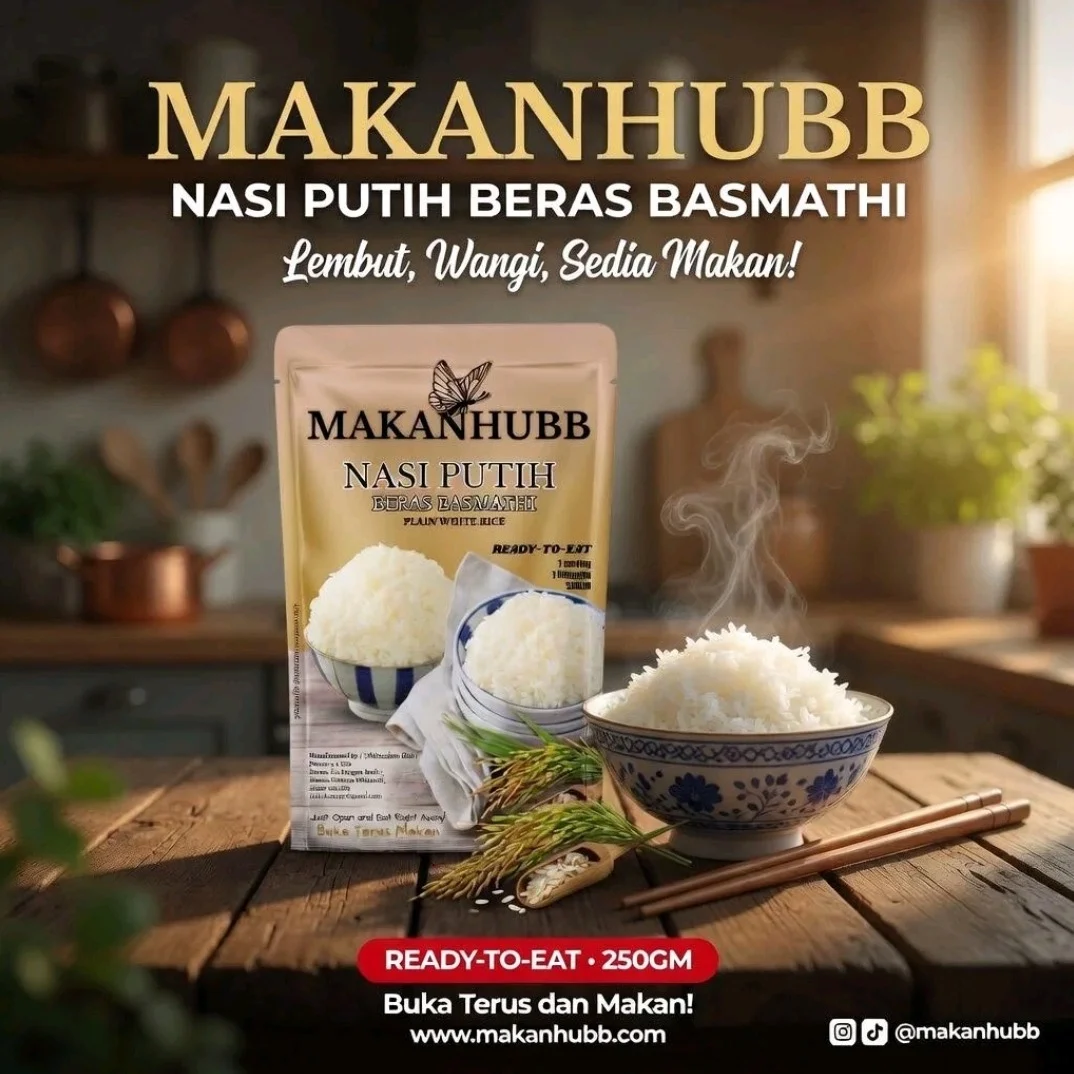
- You can consider retort white rice, biscuits, nuts and sambal without meat, and declare them if you are unsure.
- Fish based products such as laksa fall under different rules. Check and declare them at the quarantine counter.
Tips for eating halal food in Japan
- Mark halal restaurants on your map before you leave, especially for Kyoto and rural areas.
- Stay near Asakusa or Shinjuku if you want plenty of halal food options in Tokyo.
- Keep a small card in Japanese that says you do not eat pork, alcohol or mirin.
- Major airports such as Narita, Haneda and Kansai have prayer rooms.
- For long train journeys, buy food from a halal restaurant before you set off.
To get your bag ready, read our travel packing tips. The rules for liquids and food in the cabin are in our guide to bringing food on a plane.
FAQ about halal food in Japan
Is it easy to find halal food in Japan?
In Tokyo, Osaka and Kyoto it is fairly easy. In rural areas and small towns the choice is limited, so plan ahead.
Can I bring rendang to Japan?
It is not recommended. Rendang contains meat, and Japan does not allow meat products without an inspection certificate, even if they are already cooked.
Are the onigiri at 7-Eleven in Japan halal?
Most do not carry a halal logo. Options such as tuna or salmon usually contain no pork, but read the label because some contain mirin.
Is ramen in Japan halal?
Regular ramen usually uses pork broth. Choose a ramen shop that is clearly labelled halal.
Where is the main mosque in Tokyo?
Tokyo Mosque (Tokyo Camii) is in Yoyogi-Uehara, Shibuya. It also has a small grocery shop that sells halal products.
Still have questions?
WhatsApp the MakanHubb team at 012-540 0263. We reply during office hours, Monday to Friday.