Quick answer: Practical home food business ideas include made-to-order kuih and cakes, frozen food, sambal and seasonings, packed lunches for workers, small catering and festive cookies. First, pick a product you have mastered and test the market with a small group. Then check your council’s rules, food handler training and labels before you grow.
The home kitchen is where many food entrepreneurs start. The starting capital is smaller, and you can test recipes while looking after the family. However, not every product suits a home setup. So this guide shares ideas, the pros and challenges of each, and what to check before you start selling.
Popular home food business ideas
1. Made-to-order kuih and cakes
Kuih and cakes suit an order-based model. You only bake when an order comes in, so you waste less. The challenge is that most kuih do not keep long, and as a result your sales area usually stays local.
2. Frozen food
You can make frozen curry puffs, spring rolls, dim sum and pau in batches and sell them through the week. Customers like keeping them for busy days. On the other hand, you need enough freezer space and a delivery method that holds the temperature. Our frozen food business guide covers the planning in detail.
3. Sambal, serunding and seasonings
These products sell well online because you can ship them far if you process them properly. However, sambal that you simply cook and put in jars usually needs a fridge. For a longer shelf life at room temperature, consider the retort process.
4. Packed lunches for office workers
If you live near offices or factories, a weekly lunch subscription can bring steady income. You can also plan the menu each week and buy the right amount of ingredients. For menu ideas, see our packed lunch for work guide.
5. Small catering
Birthday parties, small kenduri and meetings often need food for 20 to 50 people. Small catering brings a big sale in one order. Even so, you need larger cooking equipment and extra help on the event day.
6. Festive cookies and hampers
Before Hari Raya, Chinese New Year and Deepavali, demand for cookies and hampers rises. Because these sales are seasonal, plan your ingredients and packaging early. Then use the other months for steadier products.

How to choose between home food business ideas
Use three simple questions to filter your ideas:
- Can you make it consistently? Customers expect the same taste every time.
- How long does the product keep? Shelf life decides your sales area and delivery method.
- Who will buy it? For example, working parents, office staff or event organisers.
Start with one or two products. After sales settle, then add more choices.
Another approach is to combine two home food business ideas that support each other. For example, a kuih seller can add frozen curry puffs for customers who want stock at home. Likewise, a lunch seller can offer sambal packs as an extra. In this way, you make better use of the same ingredients and customers.
Check these before you act on home food business ideas
Licence and training
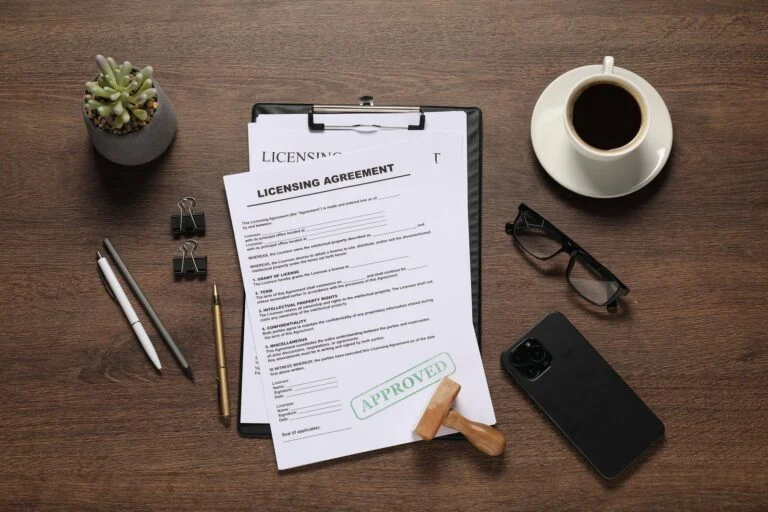
Rules for home-based businesses differ by council. Some councils have a special permit, while others do not. In addition, KKM states that food handlers must attend food handler training and get the anti-typhoid jab. Our food business licence guide covers the full steps.
Label and packaging
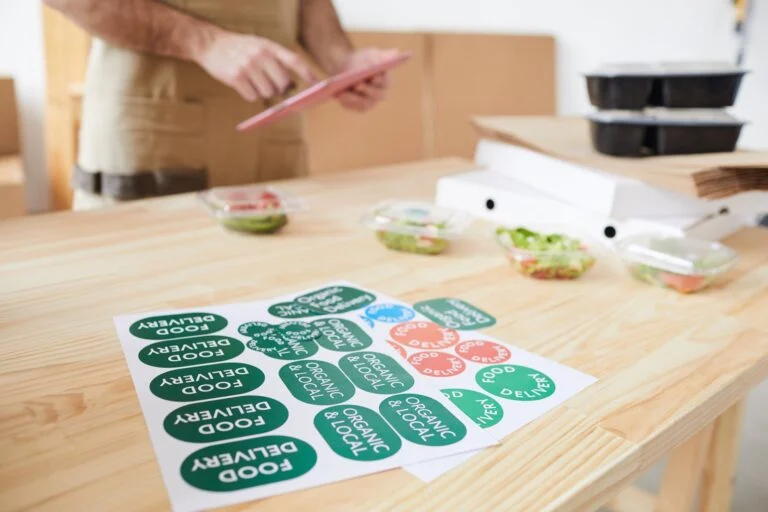
Packaged products for sale need a complete label in Bahasa Malaysia. This includes ingredients, allergens, net content, and the producer’s name and address. So read our food label guide before you print.
Kitchen hygiene
Keep raw ingredients away from cooked food. Wash your hands often, and store ingredients at the right temperature. If you have pets, also keep them out of the cooking area.
How to market a home food business
- Start with close contacts, and then ask them for honest feedback.
- Use WhatsApp Business for your catalogue and orders.
- Share photos and videos of your cooking on social media.
- Set an order cut-off day, so production stays organised.
- Create a Google Business profile if customers collect from your home.
Sell long-lasting dishes without your own factory
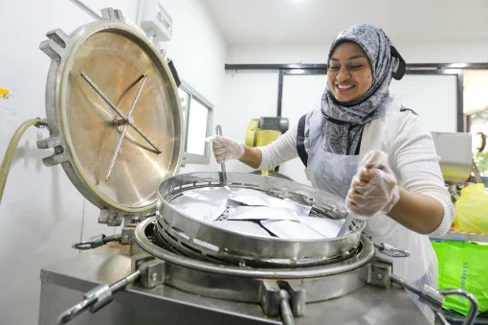
Many sellers of sambal, rendang and curry want to sell across Malaysia without the risk of food spoiling in transit. For these products, the MakanHubb retort service can help. First, you cook your own recipe at home, freeze it and label it. Then you bring it to our premises in Wangsa Melawati. After that, we seal and sterilise it in pouches, so the product keeps at room temperature.
However, not every food suits the process. Gravy dishes work, while noodles, kuih, fried food and leafy greens do not. Taste and texture also change slightly after retort, so test a small batch first. For large volumes, read our retort machine guide.
Curious how retort dishes taste before you try? Sample our own products, from RM12.90 a pack.
Tips to put home food business ideas into practice
- Work out the cost per unit, including gas, electricity and packaging.
- Record every order and expense from day one.
- Keep your personal and business bank accounts separate.
- Never accept more orders than your kitchen can handle.
- Always ask customers about food allergies.
FAQ about home food business ideas
Which home food business is easiest to start?
A product you have already mastered and can make to order, such as kuih or cakes. The capital is smaller, and you can control waste easily.
Do I need a licence to sell food from home?
It depends on your council, so ask its licensing department directly. Food handler training and the anti-typhoid jab still apply.
How can I sell sambal to other states?
Make sure you process the sambal so it lasts in transit, for example through retort. Also make sure the label is complete.
How much capital do I need?
It depends on the product and the equipment you already have. First list the ingredients, equipment and packaging, and then get current prices.
How do I get my first customers?
Start with family, friends and neighbours. Then ask them to share photos and reviews on social media.
Still have questions?
WhatsApp the MakanHubb team at 012-540 0263. We reply during office hours, Monday to Friday.