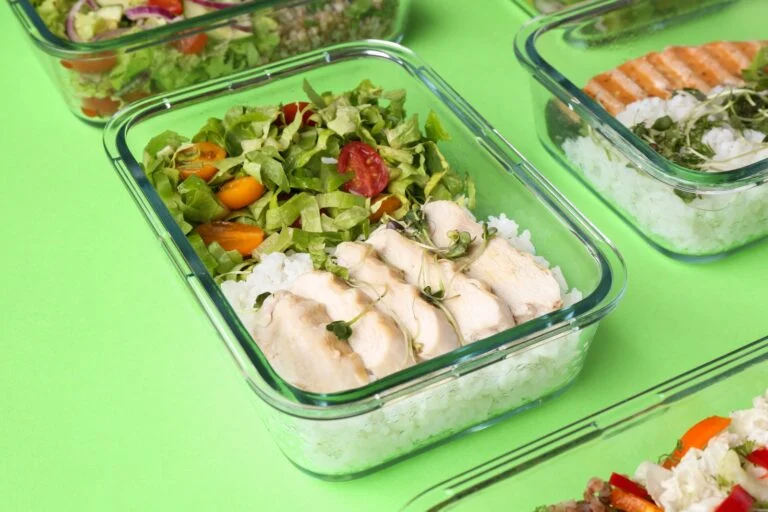
Quick answer: A practical packed lunch for work keeps for a few hours, reheats easily and fills you up. Cook extra the night before or prepare a week of lunches at the weekend. Keep it in the office fridge if there is one, and store a few ready meals in your drawer for the busiest days.
Eating out keeps getting more expensive, and lunch breaks are short. More workers now bring their own food. This guide shares menu ideas, how to prepare a week of lunches, and how to keep food safe until you eat.
Benefits of a packed lunch for work
The clearest benefit is saving money. You also know the ingredients, how much oil and salt go in, and the portion size. That helps a lot if you are watching what you eat.
It saves time too. No queuing at the shop or waiting for delivery. You can use your break to rest, pray or take a short walk.
On top of that, a lunchbox helps you eat at regular times. Busy workers often skip lunch, then overeat in the evening. With a packed lunch for work already on your desk, you can eat on time even on a day full of meetings.
Packed lunch for work: menu ideas
Rice and dishes
- White rice, ayam masak merah and stir-fried vegetables.
- Nasi goreng with a fried egg and cucumber.
- Rice with grilled fish and ulam.
Pasta and noodles
- Spaghetti aglio olio with chicken and mushrooms.
- Home-style mi goreng mamak.
- Bihun soup in a thermal jar.
Lighter options for a packed lunch for work
- Tortilla wrap with chicken and vegetables.
- Salad with boiled egg, corn and beans.
- Wholemeal bread with sardines or tuna.

How to prepare a week of lunches
This is often called meal prep. Set aside an hour or two at the weekend to cook several dishes at once.
- Choose two or three dishes that keep well in the fridge, such as ayam masak kicap or curry.
- Cook enough rice or pasta for a few days.
- Divide everything into containers by day.
- Keep the early-week containers in the fridge and freeze the ones for later in the week.
That way, you just grab one container each morning. Move frozen portions to the fridge the night before so they thaw by the next day.
Food safety at the office
Food left too long at room temperature can become a breeding ground for bacteria. According to the USDA, perishable food should not stay between 4°C and 60°C for more than two hours.
If your office has a fridge
Put your lunch in the fridge as soon as you arrive. Label the container with your name so it does not get mixed up. Reheat until piping hot before eating.
If there is no fridge
Use an insulated lunch bag with an ice pack for cold food. For hot food, use a thermal jar preheated with boiling water. Another option is food that does not need chilling at all.
Use the microwave properly
Use containers marked microwave safe. Stir halfway through so the food heats evenly. Avoid heating strong-smelling food in a shared pantry, out of courtesy to colleagues.
Lunches for shift work and work on the road
Night shift workers
Nearby food stalls may be closed at night. Bring a filling main meal and a light snack such as fruit or biscuits. Avoid very oily food so you do not get drowsy.
Field work and drivers
Technicians, sales staff and drivers often eat in their vehicles. A car parked in the sun can get extremely hot inside. So never leave perishable food in the car. Choose food that does not need chilling, or bring an insulated bag with an ice pack.
Keep a stock of lunches in your office drawer
Some days are back-to-back meetings, or you forget your lunch. For those days, keep a few packs of retort food in your drawer or locker. MakanHubb retort food is cooked and sealed in a pouch, needs no fridge, and lasts 1 to 2 years before opening.
You can eat it straight from the pack. If you want it hot, warm the pouch in hot water from the pantry dispenser for a few minutes. If you prefer the microwave, move the food to a microwave-safe plate or container first. Prices start from RM12.90 a pack. Read more about ready to eat food.
Tips for a consistent packed lunch for work
- Start with two or three days a week, then build up slowly.
- Use airtight containers so gravy does not leak in your bag.
- Bring your own spoon, fork and water bottle.
- Pack sambal or gravy in a small separate container so the rice stays firm.
- Wash containers as soon as you get home so they do not smell.
- Pick one day a week to eat out with colleagues.
If you also pack lunches for your children, see our guide to school lunchbox ideas. For those who work far from shore, see our offshore packing list.
FAQ about a packed lunch for work
How long can a packed lunch last without a fridge?
The USDA advises that perishable food should not be left at room temperature for more than two hours. Use an ice pack, a thermal jar or food that does not need chilling.
Which lunches do not spoil quickly?
Dry dishes such as fried chicken, omelette and stir-fried vegetables keep better than dishes with santan. Unopened retort food does not need a fridge.
Can I microwave a retort pouch?
Move the food to a microwave-safe plate or container first. Another way is to warm the pouch in hot water for a few minutes.
How do I start meal prep?
Start with two simple dishes and rice for three days. Once you are used to it, add more days and dishes.
Does a packed lunch for work really save money?
Usually yes, because you buy ingredients in larger amounts and cook them yourself. How much you save depends on your menu and eating habits.
Still have questions?
WhatsApp the MakanHubb team at 012-540 0263. We reply during office hours, Monday to Friday.