Quick answer: A food business licence in Malaysia comes from the local authority (PBT) where your premises sit, such as a city, municipal or district council. In general, you register the business with SSM, attend food handler training, get an anti-typhoid jab, prepare your premises documents and then apply to the council. However, the requirements, processing time and fees vary from council to council.
Many entrepreneurs start by selling to friends and neighbours, so they rarely think about a food business licence in Malaysia at first. Then orders grow, and the licence question comes up. This guide explains who issues the licence, the steps to apply, the documents councils usually ask for, and what to check before you sell seriously.
We are not lawyers or council officers. So use this guide as a first checklist, and then confirm the latest requirements with your council and your district health office.
What is a food business licence in Malaysia?
A food business licence is permission from the local council to run a food business at a specific premises. Each council has its own by-laws, because a food business licence in Malaysia is a local matter. For this reason, the documents, licence categories and fees in Shah Alam may differ from those in Johor Bahru or Kuching.
In addition to the council licence, every food operator falls under food safety laws administered by the Ministry of Health (KKM). These include the Food Act 1983, the Food Regulations 1985 and the Food Hygiene Regulations 2009. The KKM Food Safety and Quality Programme and the district health offices carry out enforcement.
A council licence and KKM certification are different things
The council licence lets you trade at a particular premises. On the other hand, certification such as MeSTI covers the food safety system where you process food. You may need both, depending on your business and the customers you target.
How to apply for a food business licence in Malaysia
The order below is the usual flow. Even so, some councils let you do a few steps at the same time.
1. Register your business with SSM
First, most councils ask for a copy of your business or company registration. For a sole proprietorship or partnership, you can register online through the ezBiz portal of the Companies Commission of Malaysia (SSM). Choose an accurate business name and activity, because the council checks these details when you apply.
2. Food handler training and the anti-typhoid jab
KKM has stated that food handlers must train at a food handler training school that the ministry recognises. In addition, they must have the anti-typhoid vaccination, as The Star reported on 9 October 2024.
This is not a formality. For example, in a KKM media statement dated 9 April 2024, officers issued notices under Section 32B of the Food Act 1983 to Ramadan bazaar traders. The offences listed include skipping food handler training and having no anti-typhoid jab.
So make sure you and every worker who touches food keep the training certificate and vaccination record. Councils usually ask for these documents when you apply and when you renew.
3. Prepare the premises and documents
The document list varies by council. As an example, the Pontian Municipal Council guideline (in force from 1 July 2022) asks for these basic documents:
- A copy of the applicant’s identity card.
- A copy of the business or company registration.
- The latest assessment tax bill.
- Colour photos of the premises from several angles.
- The tenancy or sale agreement for the premises.
- A Certificate of Fitness for Occupation (CFO or CCC) and a location sketch plan.
For restaurants, canteens and cake shops, the same guideline also asks for typhoid vaccination records, food handler course certificates and proof of a grease trap. Food factories need support letters from several departments, including the district health office. As a result, check the full list on your council’s website or at its counter.
4. Submit and wait for the inspection
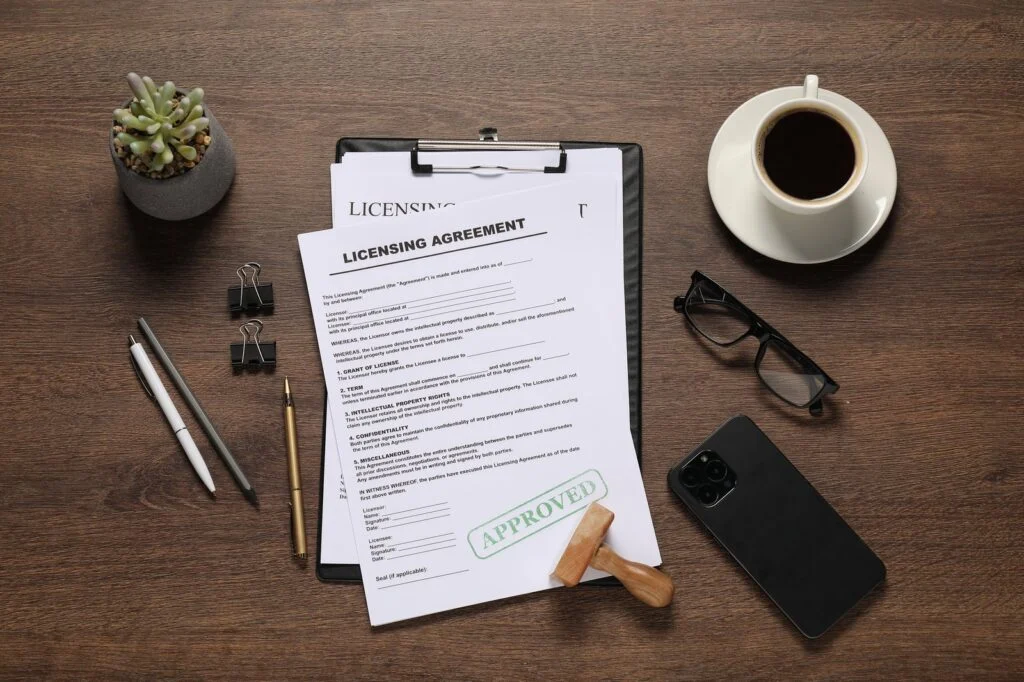
You submit the application at the council licensing counter, or through its online portal if it has one. Then an officer may inspect the premises. Councils usually take longer to approve businesses they consider risky. Finally, you pay the licence fee after approval, and each council sets its own amount.
5. Renew every year
Most council licences need regular renewal, usually every year. However, deadlines and late penalties differ between councils. Therefore, set a calendar reminder, and check that your workers’ vaccination records are still valid before the renewal date.
A food business licence in Malaysia for home kitchens
This is the most common question from small sellers. The answer depends on your council. Some councils offer a special permit for home-based businesses. For instance, Seberang Perai City Council began offering a Business From Home permit in January 2021, and many applicants sell food, according to The Star.
However, not every council has this category. So call your council’s licensing department and ask directly. Even if you sell from a home kitchen, the food hygiene duties, handler training and anti-typhoid jab still apply. For product ideas that suit a home setup, read our home food business ideas.
Certification and other requirements after the licence
MeSTI for food producers
MeSTI (Makanan Selamat Tanggungjawab Industri) is a KKM food safety certification scheme for food producers. People often see it as a basic step before HACCP or GMP. If you plan to supply grocery shops or supermarkets, ask the buyer whether they need it. Your district health office can confirm the current requirements.
Labels on packaged products
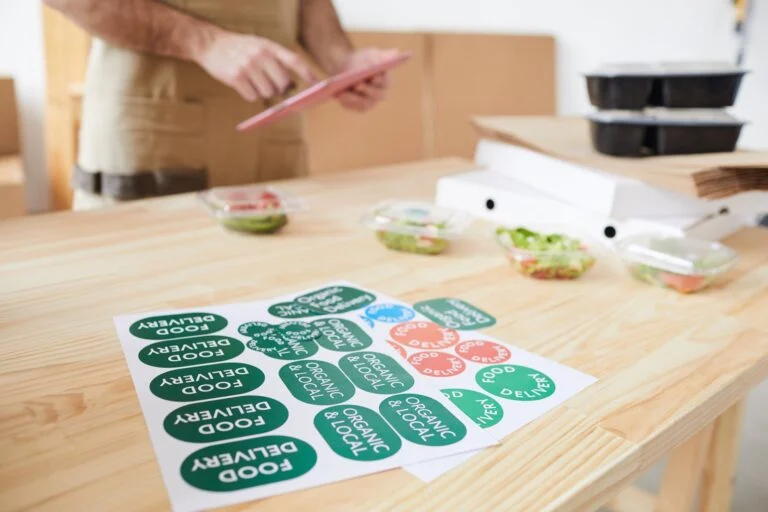
Packaged food for sale must follow the labelling requirements of the Food Regulations 1985. For example, the label needs the name of the food, the ingredient list, the net content, and the name and address of the producer. We explain this in detail in our food label Malaysia guide.
How much does a food business licence in Malaysia cost?
We deliberately do not give one number. Each council sets its own processing, licence and signboard fees, and these can even differ between urban and rural areas within the same council. Besides the licence fee, budget for these items:
- SSM registration and its renewal.
- A food handler course for each worker.
- The anti-typhoid jab at a clinic.
- Premises changes, for example a sink, grease trap and ventilation.
- Packaging and label printing.
Sell shelf-stable products without your own factory
Many sellers of sambal, rendang and curry want to sell online across Malaysia. The problem is that these foods need a fridge or freezer. Also, the cost of a cold chain and the risk of spoilage in transit are high for a small business.
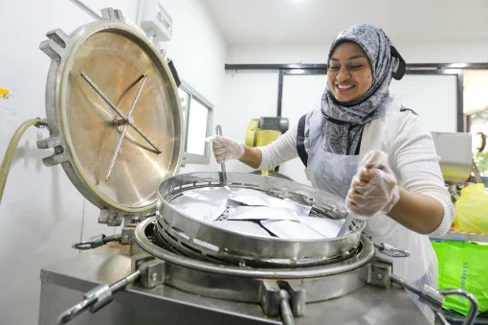
This is where the MakanHubb retort service can help. First, you cook your own recipe. Then you bring the food frozen and labelled to our premises in Wangsa Melawati, and we seal and sterilise it in pouches. As a result, the product keeps at room temperature without a fridge. Appointment slots run Wednesday to Saturday. After the retort, wait 7 to 14 days before you eat or sell it.
Not every food suits the process. Gravy dishes such as curry and sambal usually work well, while noodles, kuih and leafy greens do not. If your volume is already large, compare this with buying a machine in our retort machine guide. For frozen products instead, read our frozen food business guide.
Want to taste a retort result first? Try MakanHubb’s own products, from RM12.90 a pack.
Tips for a smoother food business licence application in Malaysia
- Call or visit the council licensing counter before you rent premises. Then ask whether the council allows food activity at that location.
- Book the food handler course and the jab early, because course slots sometimes fill up.
- Also scan every document and keep them in one digital folder.
- Note the officer’s name and the date of each enquiry.
- Ask the district health office about your kitchen layout before any renovation.
FAQ about a food business licence in Malaysia
Who issues a food business licence?
The local council where your premises sit issues it. Meanwhile, KKM enforces the food safety and hygiene laws.
Do I need a licence to sell food from home?
It depends on the council. Some councils have a home business permit, while others do not. So ask your council’s licensing department directly.
Is food handler training compulsory?
KKM states that food handlers must train at a recognised school and have the anti-typhoid jab. Officers can issue notices when operators do not comply.
How long does the application take?
It varies by council and business type. Applications that councils consider risky usually take longer because they involve an inspection.
Can I sell sambal without a fridge?
Yes, if you process the sambal so it keeps at room temperature, for example through retort. Also check the label requirements before you sell.
Still have questions?
WhatsApp the MakanHubb team at 012-540 0263. We reply during office hours, Monday to Friday.