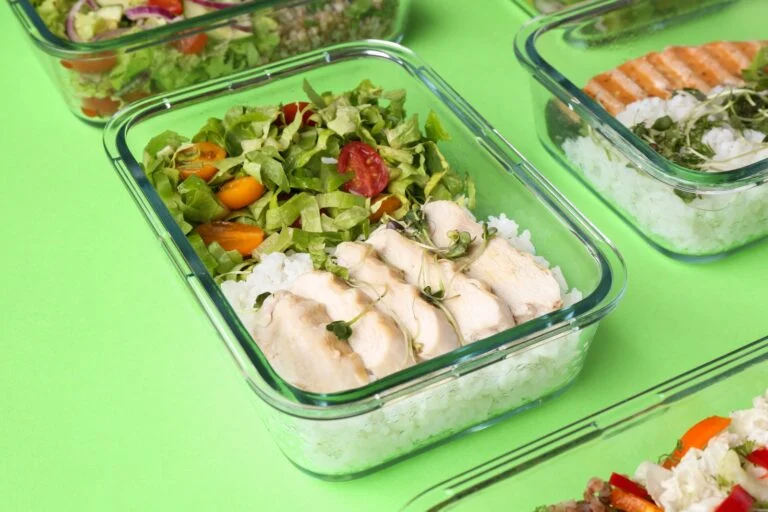
Quick answer: A basic offshore packing list covers the documents and certificates your employer asks for (such as T-BOSIET), PPE as instructed by the company, clothes for the whole hitch, medicine with a prescription, and personal items. Keep your bags light because helicopter weight limits are strict. Main meals are usually provided on the platform, so packed food is most useful on travel days and while waiting.
Heading to an oil platform for the first time can be nerve-racking. You will be out at sea for weeks, far from shops and family. Anything you forget cannot simply be bought. This guide lists the basics to bring, common baggage rules, and how to plan food for travel days.
What to know before you write your offshore packing list
Every company and platform has its own rules. Some give a complete packing list, others only a short briefing. So the first step is to read every instruction from your employer or agent.
Ask your supervisor or an experienced colleague as well. They usually know the small unwritten things, such as which clothes are comfortable in the living quarters or which items people often forget.
Documents and certificates
Employers usually require a safety training certificate before you can board the helicopter. For tropical regions such as Malaysia, the course often asked for is T-BOSIET. According to OPITO, it covers offshore hazards, helicopter emergency procedures including escape after a ditching, sea survival, first aid and basic firefighting. The follow-on course, T-FOET, must be taken within four years.
Your company may also ask for a medical report, your identity card and other documents. The exact list varies by employer, so check with the company before your departure date.
Your offshore packing list
Clothing and PPE
- PPE such as a hard hat, safety boots, coveralls, safety glasses and gloves, as instructed by the company. Some companies supply their own.
- Enough underwear and socks for the hitch.
- Casual clothes for the living quarters and rest areas.
- Long trousers and closed shoes for the helicopter flight.
Personal items and medicine on your offshore packing list
- Daily medicine in its original bottle with a copy of the prescription.
- Travel-size toiletries.
- Sunscreen, lip balm and mild headache tablets.
- A little cash, as some platforms have a small shop.
Electronics and entertainment
- Phone, charger and cables, if allowed.
- Books, games or films downloaded in advance, as internet access may be limited.
- Earplugs for sleeping in a shared cabin.

Baggage limits and helicopter rules
Helicopter flights to platforms have strict weight limits. A guide by Women Offshore, based on experience in the Gulf of Mexico, mentions limits of around 25 to 35 pounds (roughly 11 to 16 kg) per bag. Limits in Malaysia may differ, so follow the figure your company gives you.
The same guide notes that jewellery is banned on most rigs, and some contractors restrict phones or e-cigarettes during the flight. Bring two bags only: one for clothes and PPE, and a small one for electronics.
Food on an offshore hitch
On most platforms, the galley serves meals several times a day. So you do not need to bring food for the whole hitch. However, some locations may restrict personal food. Check with your supervisor before bringing anything.
Packed food is more useful on travel days. You may need to leave early for the heliport or jetty, then wait for hours because of weather or schedule changes. Food stalls near the base are not always open.
Retort food suits this situation. It is light, sealed in a pouch, needs no fridge, and lasts 1 to 2 years before opening. Eat it straight from the pack, or warm the pouch in hot water for a few minutes if available. Prices start from RM12.90 a pack. For the trip home, keep a few packs in your bag as a backup. Also read our guide to long lasting food.
For bulk orders for a crew or company, contact us on WhatsApp.
Routine and health on the platform
Shifts on a platform are usually long and repeat every day. Good sleep matters, especially if you switch between day and night shifts. An eye mask and earplugs help in a shared cabin.
Drink plenty of water because the weather at sea is hot and humid. Eat balanced meals from the galley and go easy on sweet snacks. Finally, call your family when you can, as time away from home can feel long.
Tips for first-timers
- Write your offshore packing list a week before you leave, and tick each item off as you pack.
- Weigh your bags at home so they stay within the limit.
- Keep certificates and key documents in a waterproof folder.
- Bring a little more medicine than the number of days on your hitch, in case the trip home is delayed.
- Tell your family your schedule and how to reach you.
- Follow every safety briefing, even if you have heard it before.
Packing food for the family at home too? See our guides to school lunchbox ideas and packed lunch for work.
FAQ about an offshore packing list
Is food provided on the platform?
On most platforms, yes. The galley serves meals several times a day. Rules on personal food vary, so check with your supervisor.
What is T-BOSIET?
T-BOSIET is basic offshore safety and emergency training for tropical regions under the OPITO standard. It covers helicopter emergencies, sea survival, first aid and basic firefighting.
How heavy can my bags be?
It depends on the company and the helicopter operator. Follow the limit your employer gives you and weigh your bags before leaving.
Can I bring retort food to the platform?
It depends on the location’s rules. Retort food is most useful on travel days and while waiting at the base. Check with your supervisor before taking it onto the platform.
What do people often forget?
Chargers, daily medicine, a copy of the prescription and earplugs. Use a checklist so nothing gets left behind.
Still have questions?
WhatsApp the MakanHubb team at 012-540 0263. We reply during office hours, Monday to Friday.