
Quick answer: A basic camping checklist covers a tent and flysheet, a sleeping mat and sleeping bag, a headlamp, a small stove or food that needs no cooking, enough drinking water, quick-dry clothes, a first aid kit, personal medicine and a power bank. Sort your gear into the groups below and run through this list the day before you leave so nothing gets left behind.
First camping trips usually go wrong because of small things: forgotten tent pegs, a headlamp with flat batteries, or ice in the cooler that melts before dinner. This camping checklist is written for trips in Malaysia, whether you are camping by a river, in the hills or on a beach. It suits a 2 day 1 night trip, and you can add to it if you stay longer.
More camping and hiking guides
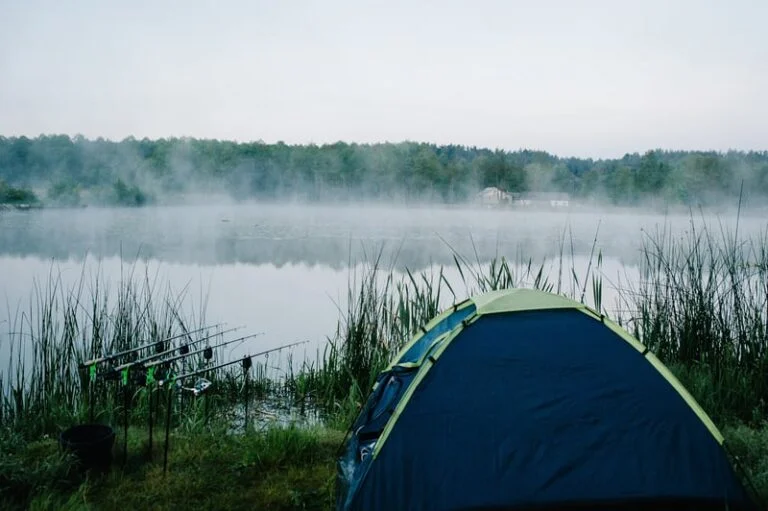 Camping and hikingCamping Site in Perak: 10 Spots to Pitch Your Tent by AreaCamping sites in Perak grouped by area, from Gopeng and Tapah to Royal Belum, with river safety tips and food ideas.
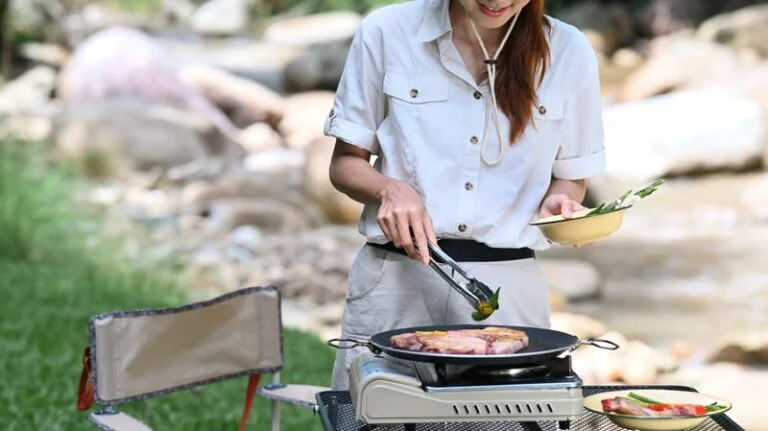 Camping and hikingCamping Food Ideas: Easy 2 Day 1 Night Menu Without a FridgeA sample 2 day 1 night camping menu, no-cook and easy-cook ideas, snacks, food safety in hot weather and ready-to-eat options.
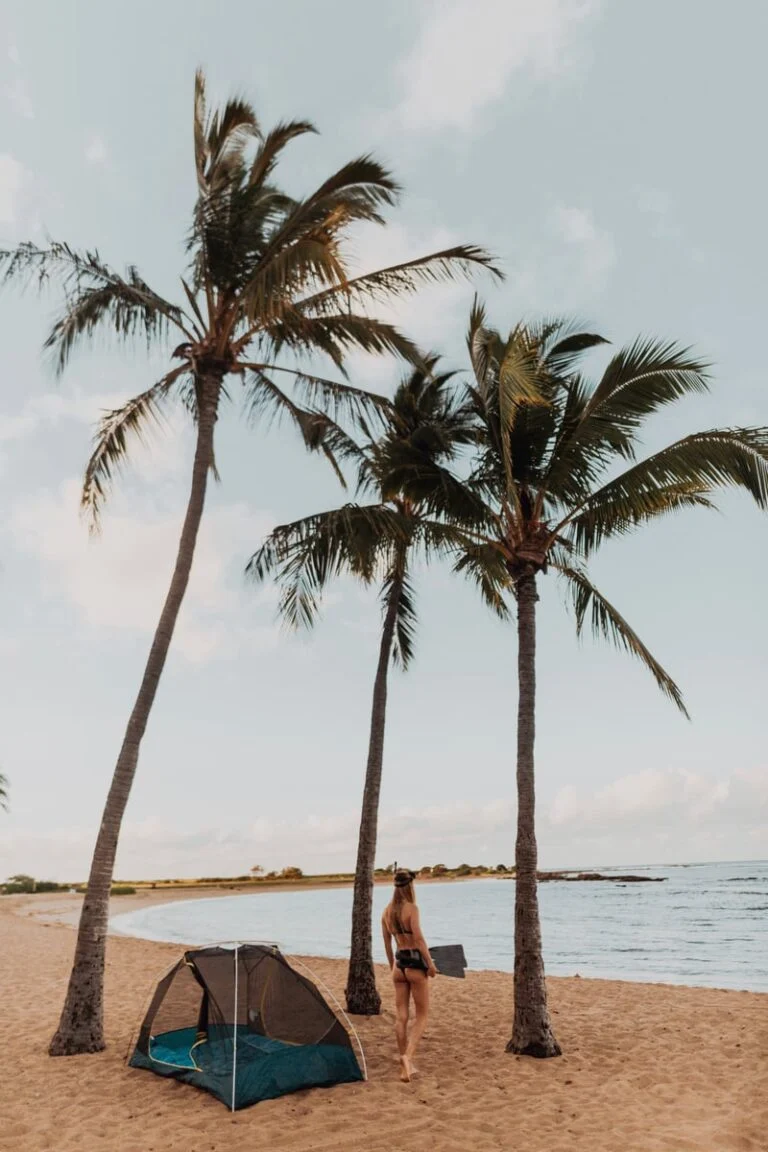 Camping and hikingCamping Site in Johor: 10 Beach, River and Forest SpotsCamping sites in Johor grouped by area, from Mersing beaches to Gunung Pulai and the national parks, with season tips and food…
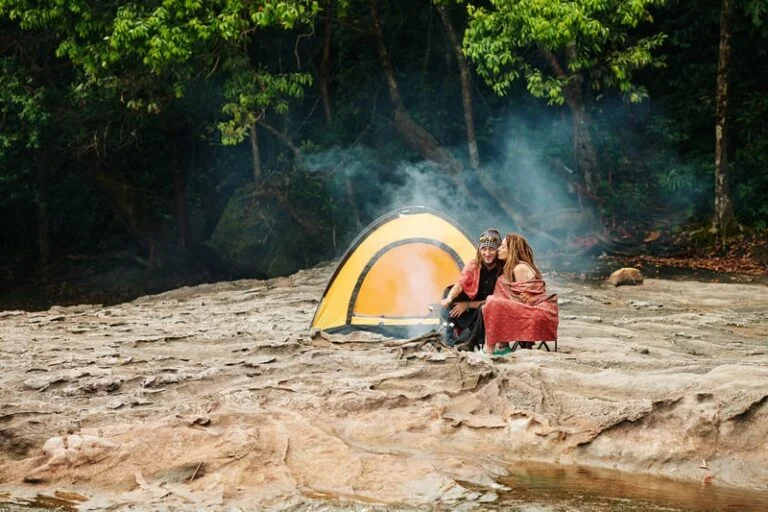 Camping and hiking10 Camping Sites in Selangor: Riverside and Glamping SpotsTen camping sites in Selangor by area, how to choose one, riverside safety, forest reserve permits and ready-to-eat food for the trip.
 Camping and hikingHiking Trails in Selangor: 9 Trails by District and Permit GuideSelangor hiking trails from Bukit Broga to Gunung Nuang, with how to apply for a SEFOREST permit, safety tips and light food…
Use this list as a starting point, then adjust it for the site you pick. Private campsites usually have toilets, showers and electricity, while recreational forests and open sites may only have basic facilities.
Camping checklist for shelter
The tent is the most important item. Pitch it once at home before the trip so you know every part is there.
- A tent big enough for everyone, with its peg bag and poles
- A flysheet or extra tarp for rain
- A groundsheet under the tent to keep the floor dry
- Spare pegs and a small mallet
- Paracord for a clothesline and for tying down the tarp
- Folding chairs and a small table if you are driving in
Camping checklist for sleeping
The ground in Malaysia is often damp, and nights in the hills or by a river can get cooler than you expect.
- A sleeping bag or a thin blanket
- A sleeping mat, sleeping pad or air mattress with a pump
- A small pillow or an inflatable pillow
- Mosquito coils, insect repellent and a small mosquito net if needed
- A headlamp and a tent lamp, with spare batteries

Cooking and food
This part of the bag is usually the heaviest. Plan your menu first, then pack only the equipment that matches it. A full menu plan is in our guide to camping food ideas.
- A portable gas stove and small gas canister, plus a lighter or waterproof matches
- A small pot or kettle for boiling water
- Reusable plates, cups, spoons and forks
- A small knife and cutting board
- Enough drinking water, at least for drinking and cooking
- A cooler box and ice if you are bringing raw ingredients
- Ready-to-eat food in pouches, bread, biscuits, and 3 in 1 coffee and tea
- Rubbish bags, wet wipes and a little dishwashing soap
If you would rather skip the cooler box, choose long lasting food that keeps without a fridge. Ready to eat food also cuts down cooking time, so you have more time to relax.
Clothing
- Quick-dry shirts and pants, one set per day plus a spare set
- Dry, comfortable clothes to sleep in
- A raincoat or poncho
- A light jacket for highland sites
- Shoes with good grip for walking, and slippers or sandals for the river
- A hat, a small quick-dry towel and a plastic bag for wet clothes
Camping checklist for safety and first aid
Most campsites are far from a clinic. A complete first aid kit lets you treat small cuts and scrapes before getting help.
- A first aid kit: plasters, gauze, tape, antiseptic and insect bite cream
- Personal medicine and basic medicine for fever and diarrhoea
- Oral rehydration salts (ORS)
- A whistle and a small torch
- A fully charged power bank
- A pocket knife or multitool
Documents and money
- MyKad for every adult
- Cash in small notes, since some sites and village shops do not take cards
- Proof of your campsite booking
- A permit if you are entering a forest reserve. In Selangor, applications go through the SEFOREST system run by the Selangor State Forestry Department
- The site operator’s phone number and emergency numbers
Camping checklist add-ons by type of site
The basic list above works for most trips. Add these items depending on where you are going:
- Riverside: river shoes with good grip, a dry bag for your phone, and life jackets for children who will swim in the river.
- Highlands: a thicker jacket, extra socks and a warmer sleeping bag, since nights can feel cold.
- Beach: longer sand pegs, sunscreen, an umbrella or tarp for shade, and clean water to rinse off.
- Sites without electricity: an extra power bank, a small solar lamp and spare batteries.
Ask the operator whether they sell ice, firewood or gas, so you do not carry things you can buy on site.
How to pack your camping gear so it is easy to find
A complete list does not help if everything is thrown into one bag. Try this method:
- Pack by group. Put sleeping gear in one bag, kitchen items in one box, and the first aid kit in a small, brightly coloured pouch.
- Heavy items at the bottom. In a backpack, keep heavy items close to your back and light items on top.
- Frequently used items on top. Your headlamp, raincoat, tissues and snacks should be easy to reach.
- Waterproof everything. Wrap clothes and sleeping bags in plastic bags or dry bags.
- Load the tent last. If you are driving, load the tent and tarp last so they come out first when you arrive.
The same packing ideas work for regular holidays too. Read our travel packing tips if you want a tidier way to organise your bags.
Ready-to-eat food for a camping trip
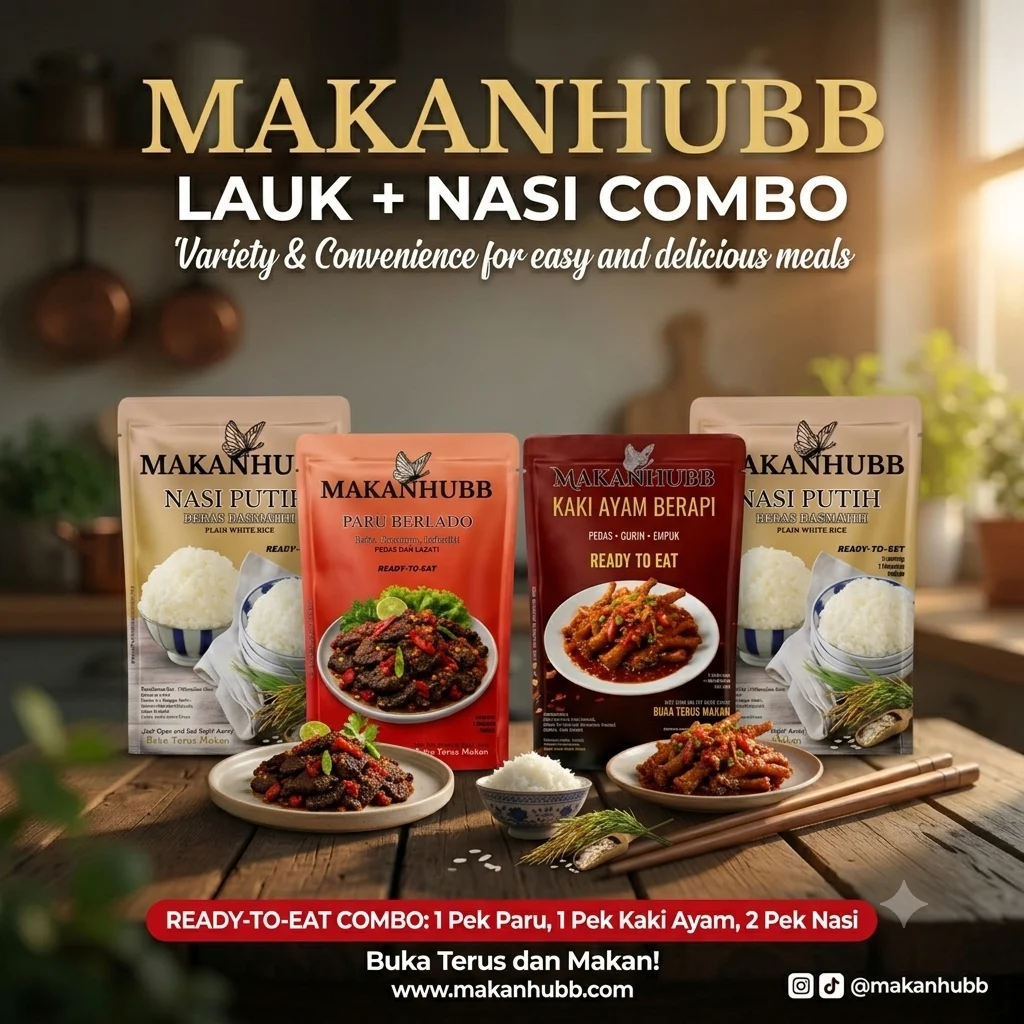
MakanHubb retort food suits camping because it needs no fridge and no cooking. You can eat straight from the pouch, or soak the pouch in hot water for a few minutes if you want a hot meal. It has a shelf life of 1 to 2 years, is light to carry, and has less risk of spoiling in hot weather. Prices start from RM12.90 a pack.
Meat dishes with chicken or beef are fine to bring to any campsite within Malaysia. For group trips, a dish and rice combo makes it easy to share out meals.
Carry all empty pouches back out. Fold them, put them in a rubbish bag, and throw them away at home or in the bins provided. Do not leave rubbish at the site.
Extra tips before you leave
- Check the MetMalaysia weather forecast the day before you go.
- Avoid riverside camping on the east coast during the monsoon season, roughly November to February.
- Arrive before late afternoon so you can pitch your tent before dark.
- Contact the site operator to confirm the latest facilities, prices and rules.
Not sure where to go yet? See our lists of camping sites in Selangor, camping sites in Perak and camping sites in Johor. If you want to hike, read our guide to hiking trails in Selangor. For the flood season at home, our flood emergency kit list shares many of the same items as a camping kit.
Camping checklist FAQ
What are the most important items for a first camping trip?
A complete tent with flysheet, a sleeping mat, a headlamp, drinking water, food, a first aid kit and a change of clothes. You can add other items once you know what you need.
Do I need to buy all new camping gear?
No. Many campsites rent out tents and sleeping bags. Plenty of people also borrow from friends for their first trip before buying their own.
How much water should I bring?
It depends on the weather, your activities and whether the site has tap water. Bring more than you expect to need, especially if the site has no clean water supply. River water must be filtered or boiled first.
What food does not need a fridge?
Food in retort pouches, bread, biscuits, nuts, instant noodles and powdered drinks. Retort dishes can be eaten as they are or warmed in hot water.
Do I need a permit to camp in a forest?
Private sites usually only need a booking. For permanent forest reserves in Selangor, permit applications go through SEFOREST at least 3 days before the activity. Check with the forestry office in other states if you camp outside Selangor.
Still have questions?
WhatsApp the MakanHubb team at 012-540 0263. We reply during office hours, Monday to Friday.